
Kelley Sullivan
LCSWColorado · 19 yrs exp
Compassionate therapist for practical change
Stress, Anxiety · Relationship · Trauma and abuse · Grief · +12 more
Read profileTherapist listings are provided by BetterHelp. We will earn a commission at no extra cost to you if you use our links to buy.
Use these Colorado profiles to compare therapists who list narcissism and difficult relationships by focus areas, approaches, languages and credentials. Browse the profiles below and check each therapist's listed location and scope to confirm they can work with you where you live.
Colorado · 19 yrs exp
Compassionate therapist for practical change
Stress, Anxiety · Relationship · Trauma and abuse · Grief · +12 more
Read profile
Colorado · 15 yrs exp
Compassionate, practical therapy for everyday struggles
Stress, Anxiety · Grief · Depression · Coping with life changes · +10 more
Read profile
Colorado · 8 yrs exp
Practical therapy focused on change and resilience
Stress, Anxiety · Trauma and abuse · Grief · Self esteem · +14 more
Read profile
Colorado · 8 yrs exp
Compassionate help for stress and relationships
Stress, Anxiety · Relationship · Trauma and abuse · Grief · +16 more
Read profile
Colorado · 7 yrs exp
Calm, practical therapy for relationship strain
Stress, Anxiety · Relationship · Family · Anger · +4 more
Read profile
Colorado · 26 yrs exp
Compassionate counselor for relationship and addiction concerns
Stress, Anxiety · Addictions · Relationship · Intimacy-related issues · +1 more
Read profile
Colorado · 7 yrs exp
Compassionate counselor guiding practical change
Stress, Anxiety · Trauma and abuse · Grief · Self esteem · +3 more
Read profile
Colorado · 10 yrs exp
Practical therapy focused on life changes and relationships
Stress, Anxiety · Trauma and abuse · Self esteem · Depression · +16 more
Read profile
Colorado · 9 yrs exp
Compassionate, practical help for emotional struggle
Stress, Anxiety · Trauma and abuse · Bipolar · Depression · +1 more
Read profile
Colorado · 14 yrs exp
Counselor and counselor educator focused on awareness
Stress, Anxiety · Addictions · Relationship · Trauma and abuse · +8 more
Read profile
Colorado · 15 yrs exp
Direct, action-focused counseling for relationships
Stress, Anxiety · Relationship · Intimacy-related issues · Self esteem · +10 more
Read profile
Colorado · 15 yrs exp
Compassionate counselor for real-life challenges
Stress, Anxiety · Trauma and abuse · Parenting · Self esteem · +12 more
Read profile
Colorado · 23 yrs exp
Compassionate, practical therapy for life changes
Stress, Anxiety · Addictions · Relationship · Trauma and abuse · +9 more
Read profile
Colorado · 22 yrs exp
Warm, direct therapy focused on practical change
Stress, Anxiety · Addictions · Relationship · Trauma and abuse · +12 more
Read profile
Colorado · 46 yrs exp
Calm, experienced Clinical Social Worker
Stress, Anxiety · Trauma and abuse · Grief · Depression · +11 more
Read profile
Colorado · 9 yrs exp
Practical, nonjudgmental support for life changes
Stress, Anxiety · Relationship · Grief · Career · +8 more
Read profile
Colorado · 7 yrs exp
Practical, respectful counseling for everyday struggles
Stress, Anxiety · Relationship · Family · Self esteem · +1 more
Read profile
Colorado · 20 yrs exp
Practical, respectful counseling for everyday struggles
Stress, Anxiety · Anger · Self esteem · Depression · +10 more
Read profile
Colorado · 13 yrs exp
Warm, practical support for life’s hard moments
Stress, Anxiety · Trauma and abuse · Self esteem · Depression · +16 more
Read profile
Colorado · 20 yrs exp
Compassionate counselor focused on practical change
Stress, Anxiety · Addictions · Relationship · Family · +15 more
Read profile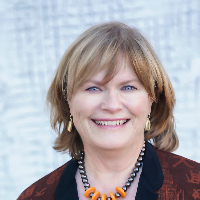
Colorado · 30 yrs exp
Warm, practical therapy for relationship and family strain
Relationship · Family · Grief · Parenting · +6 more
Read profile
Colorado · 22 yrs exp
Compassionate counselor with practical tools
Stress, Anxiety · Addictions · Trauma and abuse · Grief · +16 more
Read profile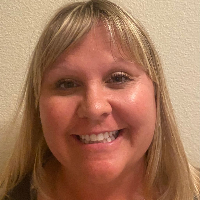
Colorado · 18 yrs exp
Practical coaching for real-life change
Stress, Anxiety · Addictions · Relationship · Self esteem · +15 more
Read profile
Colorado · 27 yrs exp
Compassionate, practical therapy for life transitions
Family · Trauma and abuse · Bipolar · Depression · +7 more
Read profileIf you are affected by self-centred, controlling or manipulative behaviour in a partner, parent, boss or friend, you may be looking for a clinician who understands the relational dynamics and the emotional effects of those interactions. You do not need a diagnosis to look for support; many people seek help to manage patterns like boundary erosion, chronic gaslighting, shame, anxiety or difficulties trusting themselves. Be careful not to label someone else as a diagnostic category in conversation with others. Instead focus on the patterns and the impact on your wellbeing when you read a profile or prepare questions for a prospective therapist.
If you are concerned for your immediate safety, contact emergency services in your area or a local domestic-abuse helpline. If you are unsure which number to call, your local health services can point you to emergency contacts and shelters. A profile can help you find clinicians who list relevant focus areas, but it cannot determine whether any relationship is safe. Prioritise practical safety planning and crisis resources before pursuing longer-term therapeutic work.
Profiles on this site are grouped under the listed location Colorado so you can narrow your search by region, but a listed location does not guarantee an in-person office or that a clinician may work with you in every jurisdiction. Many professionals in our directory work across state or national lines; others only work with people in a particular state or country. Check each profile carefully and confirm permission to work together where you live before making any decisions.
Academic degrees and professional permission to practise are not the same. You will see degree abbreviations such as PhD, PsyD, MD, MA or MSW on some profiles; these indicate academic qualifications. Separate from degrees, permission to work with clients is established through licences, registrations or professional memberships that vary by country. In the United States that usually means a state licence. In the United Kingdom and Australia clinicians may hold registration or be members of recognised professional bodies. A degree alone does not confirm current permission to practise in your area, so verify what is listed on an individual profile and ask directly about legal or regulatory permission to work with you in your location.
When you contact a clinician after reviewing profiles, prepare concrete questions that help you compare fit. Ask how they describe their work with people affected by controlling or manipulative behaviour and what outcomes clients typically pursue. You can ask whether they have experience supporting people coping with complex family dynamics, workplace harm, boundary-setting, co-parenting after difficult separations, or patterns that repeat across relationships. Phrase questions around your goals - for example, exploring how to set firmer boundaries, processing trauma, or understanding your own relational patterns - rather than asking for labels about another person.
Therapists often list approaches on their profiles; you can ask what it looks like in practice. For example, you may encounter therapists who list cognitive-behavioural approaches, psychodynamic-informed work, emotion-focused work, or other modalities. Ask therapists who list a particular approach to explain what a typical session might focus on and how they tailor that approach to people dealing with manipulative behaviour. Remember that a profile note that a therapist lists an approach is not proof of formal certification in that method, so frame your questions to learn about lived experience and how they apply their methods with people who share your concerns.
Many people look beyond local boundaries for a clinician who speaks their language or has experience with specific issues. If you are considering online care, discuss the practical and legal aspects up front. Confirm whether the clinician is permitted to work with people in your state or country, and ask how they handle time zones, appointment communication, and documentation. Talk about privacy and data handling practices so you understand how your information is stored and who can access it. If you have particular needs - for instance arranging sessions outside typical hours for safety or caregiving reasons - raise those so you can see how they fit into the clinician's way of working.
It is especially important to plan for situations where you might need immediate help. Ask the clinician how they create a safety plan, what they advise if you are in crisis between sessions, and what local resources they recommend. If you are located in Colorado but a clinician is based elsewhere, confirm what emergency services or helplines the clinician recommends in your area. A thoughtful discussion about these practicalities helps you know what to expect and reduces uncertainty about how to access urgent support when it is needed.
When you review profiles, look beyond single words and focus on concrete descriptions. Read how a clinician describes the populations they work with and the kinds of relational issues they mention. Compare profiles to see whether they highlight work with people affected by manipulative behaviour, or whether they emphasise patterns like boundary-setting, trauma recovery, or rebuilding self-trust. Note the languages a clinician lists if speaking in your preferred language is important to you. Language access can affect how easily you express nuanced experiences and how well you feel understood.
Pay attention to how clinicians describe their therapeutic style - some may emphasise a practical, skills-based approach while others describe a reflective, exploratory stance. Compare credentials by distinguishing degrees from professional permission to practise: a PhD or MSW indicates academic training, whereas licence, registration or membership indicates the clinician’s standing with regulatory or professional bodies in the relevant country. Finally, use comparison questions when you reach out: ask how they work with the kind of relationship dynamic you face, what a typical early session addresses, and how they collaborate on goals. Those conversations will give you clearer information than a profile alone and help you decide which profiles to explore further.
Profiles in this Colorado group are a starting point to help you find clinicians who list narcissism and difficult relationships as areas of focus. They are not a substitute for direct conversation with a clinician about their scope of practice, professional permission to work where you live, or whether their approach aligns with your needs. Take time to prepare questions, prioritise your safety needs, and reach out to emergency or domestic-abuse helplines if you are in immediate danger. Comparing profiles by focus, approach, language and credentials can help you identify practitioners to contact and learn more from in a way that supports your next steps.
Anger
2395 therapists
Control Issues
2948 therapists
Depression
3283 therapists
Domestic Violence
2110 therapists
Guilt and Shame
3382 therapists
Intimacy Issues
2057 therapists
Isolation / Loneliness
3224 therapists
Narcissism
3775 therapists
Panic Disorder and Panic Attacks
2794 therapists
Post-Traumatic Stress
3039 therapists
Self Esteem
3175 therapists
Social Anxiety and Phobia
3149 therapists
Stress & Anxiety
3578 therapists
Trauma and Abuse
3142 therapists
Abandonment
3033 therapists
Attachment Issues
3075 therapists
Blended Family Issues
2015 therapists
Career
2098 therapists
Caregiver Issues and Stress
2489 therapists
Codependency
2576 therapists
Commitment Issues
2282 therapists
Communication Problems
3319 therapists
Coping with Life Changes
2872 therapists
Divorce
3013 therapists
Family
2698 therapists
Family of Origin Issues
1856 therapists
Forgiveness
3096 therapists
Infidelity
2206 therapists
Jealousy
2271 therapists
Life Purpose
3249 therapists
Money and Financial Issues
1971 therapists
Parenting
2211 therapists
Relationship
3169 therapists
Self-Love
3280 therapists
Separation
3013 therapists
Workplace Issues
2887 therapists