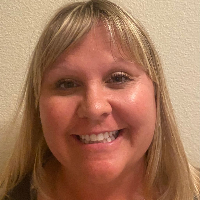
- Goal oriented
- Interactive tasks
- Warm and direct
About Christine
Her style leans toward coaching. Clients often get short tasks to try between meetings to practice new ways of coping. Christine favors clear, interactive work rather than long clinical lectures. She aims to help people make real-life changes they can notice week to week.
Christine draws on client-centered methods to keep the conversation grounded in each person’s needs. She uses cognitive behavioral tools to spot unhelpful thinking and DBT skills when emotional regulation is needed. Motivational interviewing helps when someone is weighing change or facing ambivalence.
She has particular experience with mood disorders, addictions, grief, parenting strain, trauma and abuse, and life transitions like divorce. Christine also helps with issues such as ADHD, intimacy concerns, body image, caregiver stress, and coping with chronic illness. Her background includes many settings and varied populations over nearly two decades.
Sessions are practical and interactive, often involving homework and check-ins. Christine works from Colorado and speaks English. People who prefer a straightforward, collaborative style may find her approach a good fit. If you want to explore options, consider the initial matching step to connect and schedule.
Areas of expertise
Primary focus
Also works with
Additional focus areas
Therapeutic approaches
Experience
18+ years
Credentials
Colorado, Florida, Kansas
Languages
English
How these approaches translate to online work
Client-Centered Therapy focuses on listening closely and following each person’s priorities. Online conversations can mirror that by giving space to what matters most and shaping goals together. Cognitive Behavioral Therapy, or CBT, helps people spot unhelpful thought patterns and practice specific exercises; that work translates well to messaging and live sessions where worksheets and step-by-step plans can be shared.Finding the right approach is part of therapy. The therapist will talk with each person about goals, preferences, and what feels useful. Together they decide whether to emphasize CBT skills, DBT strategies for emotion regulation, or a more client-led coaching style, and they adjust the plan as progress is made.
The practical benefits of online work include easier fitting of sessions into a busy week, shorter check-ins between in-person appointments, and the ability to use messaging when someone wants more time to think through responses. Because the therapist has noted a preference for messaging and live messaging therapy, confirm the exact session formats available before booking to make sure they meet your needs.
Frequently asked questions
What kinds of problems does she help with?
She supports people coping with stress, anxiety, addictions, low self-esteem, relationship and intimacy concerns, trauma, grief, and many life changes.
What is her therapy style like?
Her style is warm, interactive, and coach-like. Sessions focus on clear goals and short tasks to practice between meetings.
How much experience does she have?
She has 18 years of clinical experience working across a variety of settings and issues.
What credentials and location are listed?
She holds LPC and LCPC credentials and practices from Colorado.
Can I work with her if I live outside the United States?
Sessions are offered to international clients and are conducted in English.
Which session formats does she offer?
The original biography emphasized messaging and live messaging therapy as a preferred format; confirm current session options before booking.
How does payment or cost work?
Cost varies by location and therapist availability, and sessions use a subscription that can be canceled at any time.
How do I begin working with her?
Use the Start Therapy button, complete a short matching questionnaire, and schedule according to therapist availability.
Before you get in touch
Therapists listed here offer talking therapy online. A profile is not a diagnosis of you or of anyone in your life, and no therapist can promise how a relationship will turn out.
If you are in danger, or someone is hurting or threatening you, contact emergency services or a domestic-abuse helpline. The numbers are at the foot of this page.