
Rebekah Wolff
LPCWisconsin · 8 yrs exp
Insightful, practical counseling for life changes
Stress, Anxiety · Relationship · Self esteem · Career · +10 more
Read profileTherapist listings are provided by BetterHelp. We will earn a commission at no extra cost to you if you use our links to buy.
This page groups profiles under the listed location Wisconsin so visitors can compare therapists who note narcissism and difficult relationships among their focus areas. Browse the profiles to review each clinician's stated approaches, credentials and languages, then follow the profile links to learn more.
Wisconsin · 8 yrs exp
Insightful, practical counseling for life changes
Stress, Anxiety · Relationship · Self esteem · Career · +10 more
Read profile
Wisconsin · 9 yrs exp
LCSW focused on practical change and understanding
Relationship · Family · Self esteem · Depression · +15 more
Read profile
Wisconsin · 7 yrs exp
Supportive LCSW focused on practical change
Addictions · LGBT · Trauma and abuse · Grief · +1 more
Read profile
Wisconsin · 7 yrs exp
Practical, person-focused therapy for life transitions
Stress, Anxiety · Self esteem · Depression · Coping with life changes · +13 more
Read profile
Wisconsin · 7 yrs exp
Compassionate counselor for life transitions
Stress, Anxiety · Relationship · Trauma and abuse · Self esteem · +1 more
Read profile
Wisconsin · 30 yrs exp
Compassionate psychologist using practical, evidence-based methods
Trauma and abuse · Parenting · Depression · Coping with life changes · +1 more
Read profile
Wisconsin · 10 yrs exp
Practical, down-to-earth counseling for overwhelm
Stress, Anxiety · Trauma and abuse · Depression · Coping with life changes
Read profile
Wisconsin · 10 yrs exp
Calm, practical counseling with gentle direction
Stress, Anxiety · Trauma and abuse · Grief · Anger · +11 more
Read profile
Wisconsin · 33 yrs exp
Experienced LCSW guiding practical growth
Stress, Anxiety · Trauma and abuse · Grief · Self esteem · +15 more
Read profile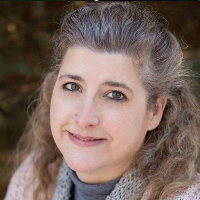
Wisconsin · 5 yrs exp
Compassionate counselor focused on practical change
Stress, Anxiety · Addictions · Relationship · Depression · +15 more
Read profile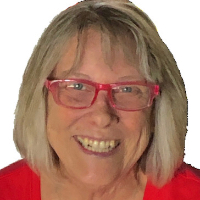
Wisconsin · 31 yrs exp
Experienced LCSW guiding practical change
Stress, Anxiety · Relationship · Family · Self esteem · +12 more
Read profile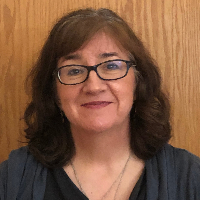
Wisconsin · 17 yrs exp
Compassionate counseling for life’s difficult moments
Stress, Anxiety · Relationship · Trauma and abuse · Self esteem · +11 more
Read profile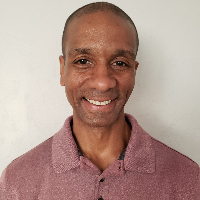
Wisconsin · 6 yrs exp
Supportive counselor for life changes
Stress, Anxiety · LGBT · Family · Trauma and abuse · +13 more
Read profile
Wisconsin · 27 yrs exp
Calm, practical counseling for lasting change
Stress, Anxiety · Relationship · Trauma and abuse · Self esteem · +1 more
Read profile
Wisconsin · 8 yrs exp
Practical support for stress and life changes
Stress, Anxiety · Trauma and abuse · Self esteem · Depression · +16 more
Read profile
Wisconsin · 5 yrs exp
Compassionate, practical therapy for life changes
Stress, Anxiety · Relationship · Family · Trauma and abuse · +11 more
Read profile
Wisconsin · 29 yrs exp
Experienced Wisconsin psychologist for practical help
Stress, Anxiety · Parenting · Anger · Bipolar · +11 more
Read profile
Wisconsin · 12 yrs exp
Compassionate trauma-informed social worker
Stress, Anxiety · Addictions · Family · Trauma and abuse · +15 more
Read profile
Wisconsin · 19 yrs exp
Collaborative, practical support for life challenges
Stress, Anxiety · Addictions · LGBT · Trauma and abuse · +7 more
Read profile
Wisconsin · 40 yrs exp
Experienced counselor focused on relationships and coping
Stress, Anxiety · Relationship · Parenting · Depression · +2 more
Read profile
Wisconsin · 28 yrs exp
Compassionate counselor helping people find steady ground
Stress, Anxiety · Relationship · Self esteem · Depression · +15 more
Read profile
Wisconsin · 17 yrs exp
Warm, inclusive counseling focused on growth
Stress, Anxiety · LGBT · Relationship · Trauma and abuse · +16 more
Read profile
Wisconsin · 20 yrs exp
Compassionate therapist helping with trauma and stress
Stress, Anxiety · Trauma and abuse · Grief · Anger · +14 more
Read profile
Wisconsin · 24 yrs exp
Experienced LPC focusing on trauma and relationships
Stress, Anxiety · Trauma and abuse · Intimacy-related issues · Self esteem · +7 more
Read profileNoticing self-centred, controlling or manipulative behaviour in a partner, parent, boss or friend can feel disorienting and overwhelming. You may be trying to make sense of repeated patterns, understand how they affect your sense of self, or figure out what boundaries or next steps are realistic for you. You might also be curious about your own patterns and want support to reflect on how relationships have shaped your responses. Profiles on this page are intended to help you explore clinicians who list narcissism and difficult relationships among their focus areas; those listings indicate interest rather than a particular credential or a guarantee of a specific outcome.
When reading profiles you may want to pay attention to how clinicians describe the kinds of relationship dynamics they work with, whether they mention experience with controlling behaviour or manipulation, and the ways they talk about safety and decision-making. If you or someone you live with is in immediate danger, call emergency services right away. If you are experiencing domestic abuse, local helplines and national domestic-abuse resources can provide urgent support and information about shelter, legal options and safety planning.
Profiles grouped under the listed location Wisconsin are provided so you can compare clinicians who indicate that area on their profile. That grouping does not prove an office address, physical proximity, or that a clinician holds current permission to practice in Wisconsin. You should open individual profiles and confirm whether a clinician has permission to work with clients where you live before making arrangements to meet. In the United States permission to practice is often described as a state license. In the United Kingdom and Australia clinicians commonly note registration or membership with national or regional professional bodies. Academic degrees such as PhD, PsyD, MD, MA or MSW describe education and are not the same as a license or registration. A degree alone does not establish current permission to practice where you are located.
When comparing profiles, look for clear statements about professional standing and geographic permission to work. If a therapist’s profile lists a license, registration or membership, use the profile details to guide a direct question about whether they can work with you in Wisconsin or in your jurisdiction. Asking directly about legal permission to provide care where you live is an important step in making an informed choice.
Deciding which clinician to contact often comes down to how they describe their approach and experience. Profiles may list many approaches; that is a starting point for conversation rather than proof of training. Practical questions to bring up include asking how the clinician defines the approaches they list, how they typically work with people affected by controlling or self-centred behaviour, and what they consider when helping someone make safety or boundary decisions. You can also ask for examples of the types of issues they commonly support and how they coordinate with other professionals if additional help is needed.
It can be helpful to ask about the clinician’s experience with the particular relationship context you face. For example, you might ask whether they have supported people dealing with long-term relationship patterns, workplace dynamics, or family-of-origin issues. You may also want to know how they describe their therapeutic style - whether they tend to be more directive or exploratory - and how they tailor their approach to the person in front of them. These questions help you assess whether the clinician’s stated focus areas and language match what you are looking for.
If you are considering remote sessions, discuss practical and safety topics before beginning. Confirm whether the clinician has permission to practice with clients in your state or country, and ask how they handle emergency planning if you are at risk. Discuss the technology they use and what steps they recommend for maintaining your comfort during sessions. You might also ask about how they handle records, session notes, and any referral processes they follow if more intensive support is needed.
When domestic abuse concerns are present, ask how the clinician approaches safety planning and what local resources they can recommend. A clinician should be able to explain limits of what can be managed remotely and how they coordinate with local services if an urgent response is required. If you are in immediate danger, contact local emergency services and domestic-abuse helplines first; remote therapy is not a substitute for immediate intervention.
Comparing profiles effectively means looking at several dimensions together rather than focusing on one label. Read how a clinician describes their focus areas and notice whether narcissism or relationship dynamics are named alongside other concerns that matter to you. Consider the languages listed on a profile if you prefer to speak in a language other than English, and look for wording that suggests a practical ability to communicate about complex relational experiences.
Credentials warrant careful reading. Academic degrees indicate levels of training in particular disciplines; licenses, registrations or professional memberships indicate permission frameworks that vary by country. Ask whether the clinician is authorized to work in Wisconsin if that matters for your situation. Style is equally important - some clinicians describe an evidence-informed, structured approach while others emphasize exploration and narrative. Think about what kind of therapeutic relationship feels most workable for you and use that sense to guide your comparison of profiles. Concrete comparison questions you can bring to a first conversation include asking how the clinician defines the approaches they list, how they handle safety concerns, what outcomes they help clients consider, and what practical steps they recommend when relationship patterns are causing harm.
Profiles on this site are a starting point for exploration. They allow you to compare focus areas, languages, credentials and wording about experience, but they are not a substitute for a direct conversation. Before committing to work with a clinician, use the profile to prepare concrete questions, confirm legal permission to practice where you live, and discuss safety planning if abuse is a concern. That approach will help you make a more informed decision about which profiles feel like a good fit for the kind of support you want to pursue.
Anger
2395 therapists
Control Issues
2948 therapists
Depression
3283 therapists
Domestic Violence
2110 therapists
Guilt and Shame
3382 therapists
Intimacy Issues
2057 therapists
Isolation / Loneliness
3224 therapists
Narcissism
3775 therapists
Panic Disorder and Panic Attacks
2794 therapists
Post-Traumatic Stress
3039 therapists
Self Esteem
3175 therapists
Social Anxiety and Phobia
3149 therapists
Stress & Anxiety
3578 therapists
Trauma and Abuse
3142 therapists
Abandonment
3033 therapists
Attachment Issues
3075 therapists
Blended Family Issues
2015 therapists
Career
2098 therapists
Caregiver Issues and Stress
2489 therapists
Codependency
2576 therapists
Commitment Issues
2282 therapists
Communication Problems
3319 therapists
Coping with Life Changes
2872 therapists
Divorce
3013 therapists
Family
2698 therapists
Family of Origin Issues
1856 therapists
Forgiveness
3096 therapists
Infidelity
2206 therapists
Jealousy
2271 therapists
Life Purpose
3249 therapists
Money and Financial Issues
1971 therapists
Parenting
2211 therapists
Relationship
3169 therapists
Self-Love
3280 therapists
Separation
3013 therapists
Workplace Issues
2887 therapists