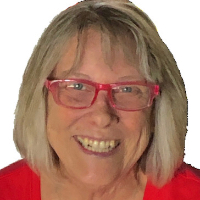
- Direct and warm
- Goal focused
- Collaborative approach
About Mary
She uses clear, practical methods that match each person’s needs. Sessions often include talking through patterns that cause pain and testing small changes to see what helps. Mary draws on approaches that address attachment, emotions, and thought habits to reduce distress and improve daily functioning.
Her background includes long-term clinical practice across several states and work with a broad range of issues. That experience informs how she notices patterns in relationships, parenting struggles, grief, trauma, and challenges at work. She pays attention to how past relationships shape present struggles and to the concrete steps people can take now.
Mary takes a collaborative stance. Clients identify goals and she helps choose methods that match those aims. Progress is measured in clear, practical terms like better sleep, fewer arguments, or improved coping with change.
She also supports people dealing with identity and life transition issues, including LGBT concerns, adoption and foster care questions, aging and caregiver stress, chronic illness, and career shifts. Her practical focus is on what people can do between sessions to feel steadier.
Reaching out is the first step. Mary works to create an honest, goal-focused space where people can test new ways of relating and managing life's pressures.
Areas of expertise
Primary focus
Also works with
Additional focus areas
Therapeutic approaches
Experience
31+ years
Credentials
California, North Dakota, Wisconsin, Nevada
Languages
English
How attachment and cognitive approaches work online
Mary often uses Attachment-Based Therapy to look at how past relationships shape current reactions. This helps when trust, abandonment fears, or repeating patterns cause distress. She also uses Cognitive Behavioral Therapy, which focuses on spotting unhelpful thoughts and testing small behavior changes to reduce anxiety and depression.Finding the right approach is part of the work. Mary collaborates with each person to pick methods that match their goals and daily life. She checks in about what feels useful and adjusts strategies as progress is made.
If you are considering online work, confirm session formats before booking since specific formats are not listed in the biography. Online therapy can make it easier to fit appointments into busy schedules, shorten travel time, and allow for quicker check-ins on stressful days. Some formats use less bandwidth or can feel simpler than in-person meetings, which helps people who need a brief focus during a break at work. Talk with the therapist when you schedule to find session timing and a format that fit your routine and goals.
Frequently asked questions
What kinds of concerns does Mary address?
She helps people with stress, anxiety, depression, relationship and intimacy issues, grief, trauma and abuse, parenting concerns, ADHD, and related challenges listed in her specialties.
How would you describe her therapeutic style?
Her style is direct, warm, compassionate, and interactive. She focuses on clear goals and practical steps you can use between sessions.
What experience does she bring to therapy?
Mary has 31 years of clinical experience working with a wide range of concerns, including trauma, relationship problems, grief, and caregiver stress.
What credentials and location are listed for this therapist?
She is a Licensed Clinical Social Worker (LCSW) and practices in Wisconsin.
Which languages are sessions offered in?
Sessions are offered in English.
Are international clients accepted?
International clients are not currently accepted.
How are session costs handled?
Cost varies with location and therapist availability; sessions use a subscription that can be canceled at any time.
What are the first steps to begin working together?
Click the Start Therapy button, complete a short matching questionnaire, and schedule according to therapist availability.
Before you get in touch
Therapists listed here offer talking therapy online. A profile is not a diagnosis of you or of anyone in your life, and no therapist can promise how a relationship will turn out.
If you are in danger, or someone is hurting or threatening you, contact emergency services or a domestic-abuse helpline. The numbers are at the foot of this page.