- Trauma-informed
- Strengths-based
- Practical skills
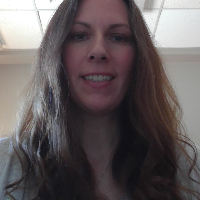
About Tonya
Tonya draws on seven years of clinical experience across hospitals, schools, and private practice. She earned a Master of Social Work from the University of Southern California with an emphasis in Military and Veterans Affairs. Her background includes work as a behavior intervention specialist in grades 6-12 and providing services in hospital settings, as well as supporting adults with disabilities.
Her style is straightforward and warm. Tonya describes herself as up front and nonjudgmental, preferring to ask clear questions rather than make assumptions. She frames difficulties as responses to someone’s situation and tools, not as evidence that a person is broken.
In sessions she focuses on trauma, co-occurring disorders, substance use, mood difficulties, and communication and anger concerns. Tonya uses a strengths-based, client-centered approach and incorporates evidence-based methods such as cognitive behavioral therapy and dialectical behavior therapy when helpful.
She aims to collaborate on realistic steps that improve quality of life. The process typically includes setting goals together, practicing skills between meetings, and adapting strategies as needs change.
Areas of expertise
Primary focus
Also works with
Additional focus areas
Therapeutic approaches
Experience
7+ years
Credentials
Montana
Languages
English
Approach-driven online care and what it feels like
Tonya works from approaches that emphasize values, safety in relationships, and practical skill-building. Acceptance and Commitment Therapy (ACT) helps people notice thoughts and feelings without getting stuck in them, then choose actions that match their values; it can help with anxiety, depression, and life changes. Attachment-Based Therapy looks at how early relationships shape expectations and reactions, and it helps people change patterns in close relationships and emotional responses. Client-Centered Therapy focuses on listening and building a trusting therapeutic relationship, giving space for clients to lead and discover what matters most to them.Choosing the right approach is part of the work. Tonya collaborates with each person to decide which methods fit their goals and preferences, and she adjusts strategies as progress is made. The plan is practical and often includes skill practice between meetings.
Session formats are not listed in the biography, so confirm current options before booking. Online sessions can make it easier to fit therapy into a busy life, shorten travel time, or allow a quicker check-in when schedules are tight. Licensed professionals can use different approaches effectively online, and Tonya will help tailor the format and methods to what works best for each person.
Frequently asked questions
What concerns does she commonly address?
She works with stress, anxiety, addictions, trauma and abuse, self-esteem, depression, relationship and family concerns, grief, and intimacy-related issues among other areas.
What is her general therapy style?
The approach is direct and warm, with straightforward questions and a nonjudgmental attitude. She focuses on practical steps and building tools that fit daily life.
How much clinical experience does she have?
She has seven years of clinical experience across hospital settings, schools, and private practice.
What credentials and region are associated with this therapist?
She holds an LCSW credential and practices in Montana.
Which languages are supported for sessions?
Sessions are offered in English.
Are international clients accepted?
International clients are not currently accepted.
How does cost and billing work?
Cost varies with location and therapist availability; sessions use a subscription model that can be canceled at any time.
How do I begin working with this therapist?
Select the Start Therapy button, complete a short matching questionnaire, and schedule according to therapist availability.
Before you get in touch
Therapists listed here offer talking therapy online. A profile is not a diagnosis of you or of anyone in your life, and no therapist can promise how a relationship will turn out.
If you are in danger, or someone is hurting or threatening you, contact emergency services or a domestic-abuse helpline. The numbers are at the foot of this page.