- Compassionate listening
- Practical skills
- Relation-focused
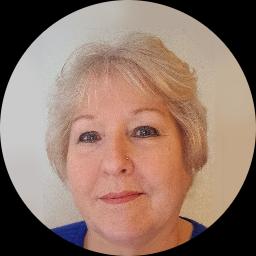
About Tina
Sessions begin by looking at what matters most to the person in front of her. Tina listens for connections between past experiences and current problems, such as attachment issues or the effects of abandonment and loss. She uses straightforward techniques from several evidence-based approaches to help people better manage emotions and day-to-day demands.
Practical skills are mixed with space to reflect. That can mean learning new coping strategies for anxiety or depression, addressing sleep and eating concerns, or working through the impact of trauma and abuse. Tina also supports people dealing with addiction, compassion fatigue, ADHD and major life changes.
She pays attention to relational patterns and intimacy-related issues, helping people improve communication and address control or commitment worries. Other areas covered include body image, career strain, caregiving stress, chronic illness, and bereavement.
Tina works in English and practices in the United Kingdom. If someone is considering starting, she encourages using the platform’s Start Therapy button to complete a short matching questionnaire and arrange sessions according to availability.
Areas of expertise
Primary focus
Also works with
Additional focus areas
Therapeutic approaches
Experience
4+ years
Credentials
NCPS · United Kingdom
Languages
English
Online therapy approaches and how they help
Tina uses a mix of approaches to help people manage everyday problems and deeper patterns. Acceptance and Commitment Therapy (ACT) focuses on noticing thoughts and feelings without getting stuck in them, and on choosing actions that reflect personal values. It can help with anxiety, depression and life transitions.Attachment-Based Therapy looks at how early relationships shape current ways of connecting. It helps people understand patterns in relationships, resolve attachment wounds, and improve closeness and trust.
Cognitive Behavioral Therapy (CBT) breaks down how thoughts, feelings and behaviours interact and teaches practical steps to change unhelpful patterns. It is often used for anxiety, depression and coping skills work.
Finding the right approach is part of the work. Tina will talk through options and decide together with the client which methods match their goals and preferences. This is a collaborative process that adjusts as needs change.
If you are considering online sessions, confirm the current session options before booking. Online therapy can make it easier to fit appointments into a busy week, reduce travel time, and allow shorter check-ins when needed. It also lets people keep therapy in a familiar routine while they try different techniques and skills with a counsellor.
Frequently asked questions
What concerns does Tina focus on?
Tina supports people with stress, anxiety, relationship strain, trauma and grief, and a wide range of other difficulties such as addiction, sleep and eating issues, and self-esteem problems.
What is her therapy style like?
Her style combines active listening with practical exercises. She blends skills work and reflective conversations to help people manage feelings and change patterns.
How much experience does she have?
She has four years of experience working with people on issues including attachment concerns, bereavement, anxiety and life transitions.
What credential does she hold and where does she practise?
She is listed as NCPS and sees people in the United Kingdom.
Which languages are supported?
Sessions are offered in English.
Can international clients be seen?
International clients are not currently accepted.
How are sessions charged?
Cost varies with location and therapist availability; sessions are provided through a subscription that can be cancelled at any time.
How do I start working with her?
Use the Start Therapy button, complete a short matching questionnaire, and then schedule sessions according to the therapist's availability.
Before you get in touch
Therapists listed here offer talking therapy online. A profile is not a diagnosis of you or of anyone in your life, and no therapist can promise how a relationship will turn out.
If you are in danger, or someone is hurting or threatening you, contact emergency services or a domestic-abuse helpline. The numbers are at the foot of this page.