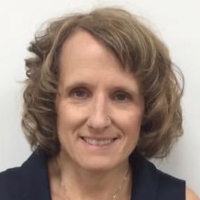
- Solution oriented
- Client centered
- Experienced clinician
About Teresa
Teresa draws on three decades of practice to shape conversations that feel direct and human. She listens first, then works with each person to set clear goals. Sessions focus on small, practical steps you can try between meetings. The aim is steady progress rather than quick fixes.
Her approach blends techniques from acceptance and commitment therapy, cognitive behavioral methods, attachment-based work, client-centered listening, and solution-focused tools. That mix is chosen to match what a person needs in the moment, whether the focus is emotional regulation, clearer boundaries, or making life changes.
Teresa has long experience supporting people from the LGBT community and those coping with trauma, abuse, and chronic health challenges. She emphasizes a warm, nonjudgmental space and works to make therapy useful in everyday life. Sessions are intended to feel practical and respectful of each person's pace.
To begin, she invites prospective clients to complete a short matching questionnaire and schedule according to availability. The subscription for sessions can be canceled at any time, and fees vary with location and therapist availability.
Areas of expertise
Primary focus
Also works with
Additional focus areas
Therapeutic approaches
Experience
30+ years
Credentials
New York
Languages
English
How therapy approaches work online
Acceptance and Commitment Therapy (ACT) helps people notice painful thoughts without getting stuck in them and identify the values that matter most. It can be useful for anxiety, depression, and ongoing stress by guiding actions that match a person's values. Cognitive Behavioral Therapy (CBT) focuses on identifying unhelpful thinking and behavior patterns and testing small changes to see what helps. CBT is commonly used for anxiety, mood concerns, and some coping skills. Attachment-Based Therapy looks at how early relationships shape current needs and patterns, and it can help with intimacy issues, boundary problems, and difficulties trusting others.Finding the right approach is part of the work together. The therapist will discuss goals and preferences in early sessions and then recommend a mix of methods that fit those needs. This is collaborative, and adjustments are made as progress is reviewed.
If you are considering online therapy, confirm session options before booking since formats are not specified here. Online work can make it easier to fit appointments into a busy week, reduce travel time, and allow for shorter check-ins when schedules demand it. It also gives flexibility when someone prefers not to be on camera or needs a session that uses less bandwidth. Licensed professionals can help figure out what format will be most practical for your circumstances.
Frequently asked questions
What concerns does Teresa commonly address?
She helps people with stress, anxiety, depression, grief, eating issues, addictions, and many relationship or intimacy-related concerns.
What is her general therapy style?
Theresa blends listening with practical steps. She focuses on clear goals and small changes that can be tried between sessions.
How much clinical experience does she have?
Teresa brings 30 years of clinical experience to her work, including long experience with trauma, abuse, and LGBT concerns.
What credentials and location are listed?
She is a Licensed Mental Health Counselor - NY LMHC - and practices in New York.
Which languages are supported for sessions?
Sessions are offered in English.
Can international clients work with her?
She is not currently accepting international clients.
How are fees and payment handled?
Costs vary with location and therapist availability; sessions use a subscription that can be canceled at any time.
What steps are involved in getting started?
Use the Start Therapy button, complete a short matching questionnaire, and schedule sessions according to therapist availability.
Before you get in touch
Therapists listed here offer talking therapy online. A profile is not a diagnosis of you or of anyone in your life, and no therapist can promise how a relationship will turn out.
If you are in danger, or someone is hurting or threatening you, contact emergency services or a domestic-abuse helpline. The numbers are at the foot of this page.