- Direct listening
- Practical steps
- Nonjudgmental care
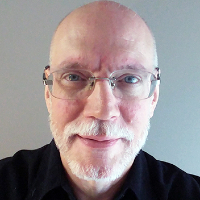
About Steve
Steve draws on well-researched methods while keeping conversations straightforward. Sessions often focus on communication, boundaries, and coping skills people can use between meetings. He invites honest discussion about sexual orientation and related concerns without judgment.
Many people come to him for stress, anxiety, depression, or relationship struggles. He also works with issues such as addictions, grief, trauma and abuse, and parenting strains. When family history or attachment patterns matter, he helps map how the past affects current choices.
Steve uses approaches that emphasize the client's perspective and practical change. That includes Client-Centered work that follows the client's lead, cognitive behavioral techniques for shifting unhelpful thoughts and behaviors, and narrative ideas to reframe personal stories. Motivational interviewing is used when people want help finding motivation for change.
He practices in Georgia and speaks English and Dutch. Sessions come from a blend of clinical skills and personal faith, but he does not preach and focuses on the client's needs. If you want straightforward conversation and clear next steps, Steve offers a direct, compassionate style.
Areas of expertise
Primary focus
Also works with
Additional focus areas
Therapeutic approaches
Experience
11+ years
Credentials
Georgia
Languages
English, Dutch
How therapeutic approaches guide online sessions
Client-Centered Therapy focuses on the client's perspective and moves at their pace. It helps people who need a listening space to figure things out and set their own goals. Cognitive Behavioral Therapy, or CBT, helps identify patterns of thinking and behavior that make problems worse and teaches specific skills to change them. This approach is often useful for anxiety, depression, and mood shifts. Dialectical Behavior Therapy, DBT, teaches coping skills for intense emotions and helps with regulation, distress tolerance, and interpersonal effectiveness.Choosing the right approach is part of the work. The therapist will collaborate with each person to try methods that match their needs, goals, and preferences. That means checking in regularly and adjusting techniques if something is not helpful.
Confirm the therapist's current session options before booking, since formats are not specified here. Online sessions can make it easier to fit therapy into a busy week, reduce travel time, and allow for shorter check-ins when a full session feels like too much. Phone options can be useful when bandwidth is limited, and video can support communication work that benefits from seeing expressions. The focus is on making therapy practical and workable for everyday life while matching the right approach to the client's goals.
Frequently asked questions
What concerns does Steve commonly address?
He works with stress, anxiety, depression, relationship problems, addictions, grief, trauma and abuse, and intimacy-related issues among other concerns.
What is his general approach in sessions?
Sessions emphasize listening first and then building practical strategies. He blends client-centered conversation with techniques aimed at changing thoughts and behaviors.
How much clinical experience does he have?
He has 11 years of counseling experience and has maintained a private practice in Georgia during that time.
Which credentials and location are listed?
He is an LPC - Licensed Professional Counselor - practicing in Georgia.
Which languages are supported for sessions?
Sessions are offered in English and Dutch.
Can people outside the U.S. work with him?
He does not accept international clients at this time.
How are session costs handled?
Cost varies with location and therapist availability; sessions use a subscription that can be canceled at any time.
What are the steps to begin therapy?
Click the Start Therapy button, complete a short matching questionnaire, and schedule according to the therapist's availability.
Before you get in touch
Therapists listed here offer talking therapy online. A profile is not a diagnosis of you or of anyone in your life, and no therapist can promise how a relationship will turn out.
If you are in danger, or someone is hurting or threatening you, contact emergency services or a domestic-abuse helpline. The numbers are at the foot of this page.