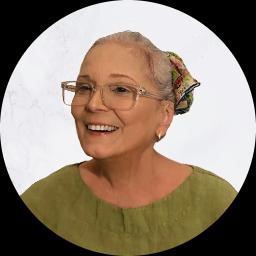
- 30 years experience
- English and Spanish
- Florida based
About Sophia
Sophia takes a practical, interactive approach in sessions. She listens, asks clear questions, and works with each person to build useful skills. Sessions aim to break down problems into manageable steps and focus on what a person can do next.
Her work blends different therapy styles rather than following a single method. She commonly draws on cognitive behavioral techniques to change unhelpful thinking, acceptance and commitment ideas to clarify values, and attachment-based thinking to understand relationship patterns. Dialectical ideas and client-centered listening also shape how she meets people in the room.
Sophia has worked in many settings, from emergency care to community mental health and private practice. That variety means she has experience with crisis situations and longer-term concerns. She says respect and a nonjudgmental manner are central to her work.
Clients can expect practical skill-building alongside reflective discussion. The goal is to help people regain stability, solve problems, and move toward greater wellbeing. Sophia supports the process with empathy and direct guidance based on each person’s needs.
Areas of expertise
Primary focus
Also works with
Additional focus areas
Therapeutic approaches
Experience
30+ years
Credentials
Florida
Languages
English, Spanish
Therapeutic approaches and how online work can help
Acceptance and Commitment Therapy (ACT) focuses on clarifying what matters to a person and taking small, valued steps even when uncomfortable feelings are present. It can help with anxiety, depression, and life changes by emphasizing action aligned with personal values. Attachment-Based Therapy looks at patterns in relationships and early bonds to understand current communication and trust issues; it can be useful for intimacy problems and recurring relationship conflict.Finding the right approach is part of the work. The therapist will collaborate with each person to decide which methods fit their goals, needs, and preferences. That process may mix techniques and evolve over time as progress is made.
The biography does not list specific online session formats, so confirm the available options before booking. Online work can make sessions easier to fit into busy schedules, reduce travel time, and allow for shorter check-ins when needed. It also lets people continue therapy if they relocate internationally, since international clients are accepted. Licensed professionals can adapt ACT and attachment-based work to remote sessions by using exercises, structured activities, and focused conversation to build skills and strengthen relationships.
Frequently asked questions
What kinds of concerns does Sophia address?
She supports people with stress, anxiety, depression, relationship and family concerns, trauma and abuse, grief, addictions, ADHD, and many everyday life challenges.
What is her therapeutic style like?
Sophia uses a practical, interactive, solution-focused style that combines listening with skill-building and clear next steps.
How much clinical experience does she have?
She has 30 years of professional experience across emergency care, community mental health, and private practice settings.
What credentials and region apply to her practice?
She is a Licensed Mental Health Counselor - LMHC - licensed in Florida and works from that state.
Which languages are sessions offered in?
Sessions are offered in English and Spanish, and she is open to working with international clients.
What session formats are available?
The original biography does not list specific session formats; please confirm current session options before booking.
How are fees handled?
Cost varies with location and therapist availability; sessions use a subscription that can be canceled at any time.
How do I begin working with her?
Select the Start Therapy button, complete a short matching questionnaire, and schedule according to therapist availability.
Before you get in touch
Therapists listed here offer talking therapy online. A profile is not a diagnosis of you or of anyone in your life, and no therapist can promise how a relationship will turn out.
If you are in danger, or someone is hurting or threatening you, contact emergency services or a domestic-abuse helpline. The numbers are at the foot of this page.