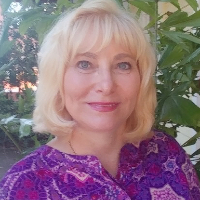
- Mindfulness-based care
- Skill-focused sessions
- Warm supportive style
About Shelley
Shelley encourages people to keep behaviors that work and change the ones that do not. She listens closely and helps clients build insight about how thoughts and actions interact. Her approach emphasizes small, usable skills that make daily life easier and reduce stress.
Sessions often include mindfulness exercises, skill-building, and problem-focused conversation. Shelley helps clients recognize common triggers and plan responses that fit their values and goals. She also supports people dealing with mood concerns, anxiety, grief, and relationship difficulties.
Her practice addresses a wide range of concerns such as career stress, self-esteem, parenting strain, trauma and abuse, compassion fatigue, and issues related to intimacy. Narcissism and personality-related patterns are listed among her focus areas when relevant to a client's concerns.
Shelley has five years of clinical experience and brings a straightforward, human approach to therapy. She works to help people feel better, do better, and find clearer paths forward.
Areas of expertise
Primary focus
Also works with
Additional focus areas
Therapeutic approaches
Experience
5+ years
Credentials
Florida
Languages
English
How therapy approaches translate to online care
Mindfulness Therapy focuses on present-moment awareness and simple breathing or attention practices that help reduce reactivity and improve focus; it is often used for stress, anxiety, and coping with life changes. Cognitive Behavioral Therapy (CBT) looks at how thoughts affect feelings and actions, and introduces small experiments and practical strategies to change unhelpful patterns. Dialectical Behavior Therapy (DBT) emphasizes emotion regulation, distress tolerance, and interpersonal skills to help with intense emotions and relationship challenges.Finding the right approach is a collaborative process. The therapist will discuss what is most important to the client, try techniques, and adjust based on how well they fit the client’s goals and daily life. Clients and therapist decide together which methods to emphasize.
Confirm which session formats Shelley currently offers before booking. Online therapy can make it easier to fit sessions into a busy schedule, reduce travel time, and allow for consistent check-ins during challenging periods. Some formats also let people choose shorter or less bandwidth-heavy contacts when that better suits their day. Ask about the available options so sessions can be planned to match practical needs and preferences.
Frequently asked questions
What concerns does Shelley commonly address?
Shelley works with people on issues like anxiety, depression, stress, grief, trauma and abuse, self-esteem, career strain, relationship and intimacy-related issues, and challenges such as compassion fatigue and bipolar mood concerns.
What is Shelley’s therapy style like?
Her style blends mindfulness, practical skill teaching, and straightforward conversation. Sessions focus on noticing patterns, building coping tools, and trying changes that fit everyday life.
How much clinical experience does she have?
Shelley has five years of experience working in clinical settings and private practice with people facing a range of emotional and life stressors.
What are Shelley’s credentials and where does she practice?
She is a Licensed Clinical Social Worker (LCSW) licensed in Florida and provides services from that state.
Which languages are sessions offered in?
Sessions are offered in English.
Can people outside the United States work with Shelley?
She does not accept international clients at this time.
How are fees handled and what payment model is used?
Cost varies with location and therapist availability; sessions use a subscription model that can be canceled at any time.
How do I begin working with Shelley?
Click the Start Therapy button, complete a short matching questionnaire, and schedule sessions according to therapist availability.
Before you get in touch
Therapists listed here offer talking therapy online. A profile is not a diagnosis of you or of anyone in your life, and no therapist can promise how a relationship will turn out.
If you are in danger, or someone is hurting or threatening you, contact emergency services or a domestic-abuse helpline. The numbers are at the foot of this page.