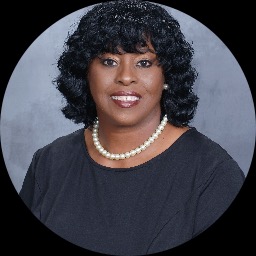
- 20 years experience
- Client-centered approach
- Focus on relationships
About Shelia
Dr. Lumar focuses on practical steps people can use right away. She helps clients identify strengths and build skills to manage strong emotions and difficult situations. Her work emphasizes clear goals and steady progress rather than jargon or long theoretical explanations.
In sessions she uses approaches like Client-Centered Therapy, Cognitive Behavioral Therapy (CBT), and Emotionally-Focused Therapy to address both immediate problems and deeper patterns. She pays attention to how past experiences affect current relationships and behavior. The aim is to reduce symptoms and improve day-to-day functioning.
She also supports people dealing with grief, parenting stress, body image concerns, codependency, and issues around intimacy. Additional focuses include attachment problems, abandonment, adoption and foster care, aging concerns, and managing the fallout from disasters. She helps clients sort priorities and set realistic steps forward.
Dr. Lumar invites people to take the first step when they feel ready. She works in a straightforward, respectful way and helps clients map out clear next steps. The process is paced to match each person’s needs and readiness.
Areas of expertise
Primary focus
Also works with
Additional focus areas
Therapeutic approaches
Experience
20+ years
Credentials
Texas
Languages
English
How her approaches shape online therapy
Client-Centered Therapy focuses on listening and responding to each person's experience. The therapist follows the client's lead and helps people identify their own strengths and choices, which can ease stress and improve relationships.Cognitive Behavioral Therapy (CBT) looks at how thoughts, feelings, and behaviors connect. It uses practical exercises and small experiments to change unhelpful thinking and reduce symptoms like anxiety or low mood.
Emotionally-Focused Therapy (EFT) centers on emotions in relationships and attachment patterns. It helps people name feelings, understand relational needs, and practice new ways of connecting with others.
Finding the right approach is part of the work together. Dr. Lumar will discuss goals, preferences, and what feels manageable, then tailor methods to fit those needs. Clients and therapist decide together which strategies to try and adjust them over time.
If you are considering online therapy, confirm the current session options before booking. The practical benefits often include easier scheduling around work and family, fewer commutes, and the ability to fit brief check-ins into a busy day. Some people prefer sessions that don't require being on camera, while others find video helps with emotional connection. Discussing preferences up front helps make sessions fit your life.
Frequently asked questions
What concerns does Dr. Lumar address?
She helps with stress, anxiety, depression, relationship issues, trauma and abuse, addiction, grief, parenting strain, intimacy-related issues, anger, self-esteem, career concerns, and coping with life changes.
How would you describe her therapy style?
Her style is practical and collaborative. She focuses on strengths, clear goals, and skills people can use between sessions.
How much clinical experience does she have?
She has 20 years of professional work experience in counseling and related clinical settings.
What are her credentials and where is she based?
She is a Licensed Professional Counselor, LPC, practicing in Texas.
Which languages are supported for sessions?
Sessions are offered in English.
Can international clients work with her?
International clients are not currently accepted.
How are sessions priced?
Cost varies with location and therapist availability, and sessions use a subscription that can be canceled at any time.
What are the steps to begin therapy?
Use the Start Therapy button, complete a short matching questionnaire, and schedule according to therapist availability.
Before you get in touch
Therapists listed here offer talking therapy online. A profile is not a diagnosis of you or of anyone in your life, and no therapist can promise how a relationship will turn out.
If you are in danger, or someone is hurting or threatening you, contact emergency services or a domestic-abuse helpline. The numbers are at the foot of this page.