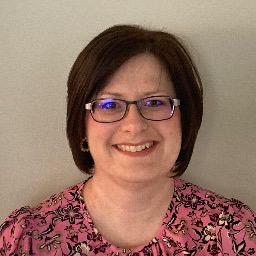
- Attachment-focused
- Client-centered
- Faith-informed care
About Shara
Her style is faith-informed and supportive. She helps people increase self-understanding and build stronger communication habits. Sessions focus on practical steps and gentle reflection rather than dense theory.
Shara uses Attachment-Based and Client-Centered approaches to guide her work. That means she pays attention to how relationships and early connection patterns affect current feelings and behaviors. She helps clients identify unhelpful patterns and practice different ways of relating.
She often addresses issues such as grief, addiction, intimacy-related concerns, parenting stress, caregiving strain, and work or career challenges. She also supports those dealing with trauma and abuse, codependency, isolation, and identity questions.
People who come to her can expect straightforward, steady support and exploration of values and goals. Shara aims to help each person find clearer choices and stronger day-to-day coping. To begin, readers should use the site Start Therapy button to match and schedule a session based on the therapist's availability.
Areas of expertise
Primary focus
Also works with
Additional focus areas
Therapeutic approaches
Experience
25+ years
Credentials
Tennessee
Languages
English
How these approaches guide online care
Attachment-Based Therapy looks at how early relationships shape current feelings and reactions. In practice this means the therapist pays attention to patterns of closeness, trust, and distance and helps clients try new ways of relating when those patterns cause pain. Client-Centered Therapy focuses on the client's experience and pace. The therapist follows the person's lead, reflects what they say, and helps people find their own solutions to problems.Finding the right approach is part of the work together. The therapist will talk with each person about goals, needs, and preferences and then recommend an approach or mix of techniques. This is a collaborative decision and can shift over time as goals change.
Specific session formats are not listed in the biography, so confirm current online options before booking. Online therapy can make sessions easier to fit into a busy week, reduce travel time, allow shorter check-ins when needed, and offer more flexibility around work and caregiving schedules. Licensed professionals use these methods to help people apply new skills between sessions and make steady progress toward personal goals.
Frequently asked questions
What concerns does this therapist address?
She works with stress, anxiety, depression, grief, addictions, relationship and intimacy-related issues, and many life changes listed in her specialties.
How would you describe her therapeutic style?
She practices in a faith-informed, supportive manner and uses Attachment-Based and Client-Centered approaches to help people increase self-understanding and change relationship patterns.
What is her professional background?
She has 25 years of counseling experience and focuses on emotional wellness, personal growth, and navigating difficult life events.
What credentials and location are listed?
She is a Licensed Clinical Social Worker, LCSW, licensed in Tennessee.
Which languages are supported and are international clients accepted?
Sessions are offered in English and international clients are not currently accepted.
What session formats are available?
Session formats are not specified in the biography; please confirm current session options before booking.
How does billing and cost work?
Cost varies with location and therapist availability, and sessions use a subscription that can be canceled at any time.
How do I get started with therapy?
Click the Start Therapy button, complete a short matching questionnaire, and schedule according to the therapist's availability.
Before you get in touch
Therapists listed here offer talking therapy online. A profile is not a diagnosis of you or of anyone in your life, and no therapist can promise how a relationship will turn out.
If you are in danger, or someone is hurting or threatening you, contact emergency services or a domestic-abuse helpline. The numbers are at the foot of this page.