- Skills focused
- Calm approach
- Evidence informed
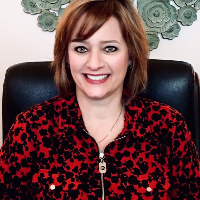
About Shannon
Her background spans education and mental health counseling. She earned three degrees from Texas Tech University, including a Master of Counseling, a Master of Education, and a Doctorate in Educational Psychology. She also holds state licenses in community counseling and chemical dependency and has worked in private practice, clinics, integrated health settings, state facilities, and university campuses.
In sessions she uses straightforward methods from cognitive behavioral therapy and dialectical behavior therapy alongside mindfulness and acceptance-based ideas. She aims to create a calm, nonjudgmental atmosphere where people can talk through worries and learn skills. The focus is on practical changes, clear techniques, and step-by-step problem solving.
Dr. Hunter works with a wide range of concerns, including stress, anxiety, depression, addictions, trauma and grief, relationship and intimacy questions, ADHD, and issues around identity and body image. She also helps people cope with caregiving strain, chronic illness, and life transitions.
People who prefer a gentle, collaborative approach may find her style helpful. She explains concepts plainly, models skills in session, and gives take-home strategies to practice between meetings. Prospective clients should confirm current session options before booking.
Areas of expertise
Primary focus
Also works with
Additional focus areas
Therapeutic approaches
Experience
19+ years
Credentials
Texas
Languages
English
How evidence-based approaches translate to online work
Dr. Hunter commonly uses cognitive behavioral therapy and acceptance-based ideas in her work. CBT focuses on identifying unhelpful thoughts and changing behaviors that keep problems going, which can help with anxiety, depression, and stress. Acceptance and Commitment Therapy emphasizes values and mindful acceptance, helping people move toward what matters despite difficult feelings.Finding the right approach is part of the process. The therapist will discuss goals and preferences and together decide which methods fit best. That collaborative decision shapes the plan and the techniques used in sessions.
Session formats are not specified in the biography, so confirm current options before booking. Online therapy can make it easier to fit sessions into a busy life by removing travel time, allowing shorter check-ins when needed, and letting people join from a quieter location. Therapists can teach breathing and grounding exercises, walk through CBT skills, and coach on mindful actions in real time, which helps people practice tools between visits.
Frequently asked questions
What concerns does Dr. Hunter help address?
She works with many issues such as stress, anxiety, depression, addictions, trauma and grief, relationship and intimacy concerns, self-esteem, ADHD, and caregiving strain.
How would you describe her therapeutic style?
Her style is practical and collaborative, combining talk therapy with skills teaching, mindfulness, and evidence-informed techniques to help people use strategies between sessions.
What kind of experience does she bring?
She has 19 years of clinical experience across private practice, clinics, integrated health settings, state facilities, and university campuses.
What credentials and location are listed for this therapist?
She is a Licensed Professional Counselor (LPC) practicing in Texas and holds state licenses in community counseling and chemical dependency.
Which languages are supported in sessions?
Sessions are offered in English.
Can people outside the U.S. work with her?
International clients are not currently accepted.
How are fees and payments handled?
Cost varies with location and therapist availability; sessions use a subscription model that can be canceled at any time.
What is the first step to begin therapy?
Use the Start Therapy button, fill out a short matching questionnaire, and schedule according to the therapist's availability.
Before you get in touch
Therapists listed here offer talking therapy online. A profile is not a diagnosis of you or of anyone in your life, and no therapist can promise how a relationship will turn out.
If you are in danger, or someone is hurting or threatening you, contact emergency services or a domestic-abuse helpline. The numbers are at the foot of this page.