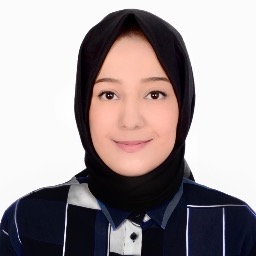
- CBT and attachment informed
- Helps with relationships
- Speaks English and Turkish
About Seyma
Seyma trained in mental health counselling and holds an MSc in Mental Health Counselling and a BA in Psychology. Her work combines Cognitive Behavioural Therapy with client-centred and attachment-informed methods. In sessions she mixes discussion with straightforward strategies for managing mood, sleep and stress.
She has experience supporting people with depression, bipolar disorder, anxiety, trauma and addiction-related issues. Seyma has also worked with concerns such as grief, parenting stress, body image, chronic illness and communication problems. This background includes individual and group work in community and therapeutic settings.
Therapy with her often involves mapping patterns, testing small changes and talking through emotional responses. She uses elements from Emotionally-Focused Therapy, existential ideas and mindfulness where they fit the person's goals. The focus is on practical steps that can help with day-to-day functioning and relationships.
Seyma accepts clients from the UK and internationally. Her practice offers a mix of longer-term and shorter-term work, and she aims to help clients plan next steps they can try between sessions.
Areas of expertise
Primary focus
Also works with
Additional focus areas
Therapeutic approaches
Experience
5+ years
Credentials
BACP · United Kingdom
Languages
English, Turkish
How her approaches translate to online therapy
Attachment-Based Therapy helps people look at patterns in close relationships and how early bonds affect current trust and closeness. Online sessions can be a space to notice those patterns and practise different responses in everyday situations.Cognitive Behavioural Therapy (CBT) focuses on spotting unhelpful thoughts and testing small behaviour changes. In remote sessions a counsellor can guide simple exercises, homework and monitoring that fit into daily routines to reduce anxiety or depression symptoms.
Emotionally-Focused Therapy (EFT) centres on understanding emotional needs in relationships and improving communication. Working this way online can help people rehearse new ways of speaking and responding to a partner or to themselves.
Choosing the right approach is a collaborative process. The therapist will discuss goals, try different methods and agree what feels most useful. Decisions are based on the person's needs, preferences and what changes they want to see.
Practical benefits of online work include easier scheduling and fitting sessions into a busy life. Some people find telephone calls useful for shorter check-ins, while video work can allow for more interactive exercises and visual material. Confirm the current session options before booking so arrangements match daily routines and access needs.
Frequently asked questions
What kinds of issues does Seyma help people with?
She supports people facing stress, anxiety, depression, relationship and intimacy-related concerns, addictions, trauma and grief, as well as issues like sleeping problems and parenting strain.
How would you describe her therapeutic style?
Her style mixes Cognitive Behavioural Therapy with client-centred and attachment-based methods, focusing on clear strategies and open conversation to tackle daily struggles.
What background and experience does she bring?
She has five years of clinical experience and has worked in individual and group settings, including community and therapeutic milieu roles.
What credentials and where does she practise?
She is a member of the British Association for Counsellors and Psychotherapists (BACP) and works in the United Kingdom.
Which languages are available for sessions?
Sessions are offered in English and Turkish, and she also accepts international clients.
What session formats are provided?
Her biography mentions both face-to-face and online counselling as well as telephone counselling for short- and long-term work; confirm current session options before booking.
How is payment or cost handled?
Costs vary by location and therapist arrangements; sessions use a subscription that can be cancelled at any time.
How do I begin if I want to work with her?
Start by using the Start Therapy button, complete a short matching questionnaire, and then schedule sessions according to the therapist's availability.
Before you get in touch
Therapists listed here offer talking therapy online. A profile is not a diagnosis of you or of anyone in your life, and no therapist can promise how a relationship will turn out.
If you are in danger, or someone is hurting or threatening you, contact emergency services or a domestic-abuse helpline. The numbers are at the foot of this page.