- Addiction and trauma
- Skills for daily life
- Person-centered care
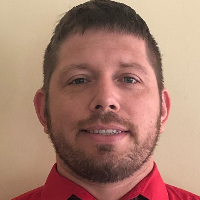
About Richard
He earned a Master of Social Work and worked across inpatient and outpatient settings. Much of his early work was with veterans, and that experience shaped his approach to substance use and trauma. He brings hands-on practice from hospital settings as well as community care.
Sessions center on understanding what matters most to the person seeking help. He blends talk therapy with techniques that help process painful memories and manage overwhelming feelings. Treatment plans are tailored to each individual’s needs rather than following a single formula.
Richard uses a mix of methods drawn from Acceptance and Commitment Therapy, Cognitive Behavioral Therapy, Dialectical Behavior Therapy, Attachment-Based Therapy, and client-centered work. These tools support coping skills, emotional regulation, and clearer communication about needs and boundaries.
People who come for help often bring issues like addiction, grief, anger, relationship strain, parenting stress, ADHD, chronic pain, or struggles with self-esteem. He focuses on small, achievable changes that add up to more stable daily life and better relationships.
Outside of practice he values time with family and friends, and activities that help him stay grounded. That balance shows up in a practical, steady style in sessions.
Areas of expertise
Primary focus
Also works with
Additional focus areas
Therapeutic approaches
Experience
10+ years
Credentials
Illinois, Indiana, Arizona
Languages
English
How therapeutic approaches shape online work
Acceptance and Commitment Therapy (ACT) focuses on helping people notice painful thoughts without getting stuck in them and then take action guided by personal values. It can be useful for anxiety, depression, and motivation problems. Cognitive Behavioral Therapy (CBT) teaches practical skills to spot unhelpful thinking patterns and change behaviors that keep problems going, which helps with mood, sleep, and stress. Attachment-Based Therapy looks at how early relationships affect current connections and helps people change patterns that interfere with intimacy and trust.Finding the right approach is part of the work. The therapist will talk with each person about their goals and preferences, and together they will choose methods that fit. That collaboration helps tailor sessions to immediate needs like coping with grief or longer-term targets like managing addiction triggers.
The biography does not list specific online formats, so please confirm current session options before booking. In general, online therapy can make it easier to fit sessions into a busy week, reduce travel time, and allow for shorter check-ins when needed. It can also let people use video or phone depending on their comfort and bandwidth. Licensed professionals adapt techniques such as ACT and CBT so practical exercises and skill practice can be done during online sessions.
Frequently asked questions
What kinds of problems does Richard help with?
He works with stress, anxiety, addictions, trauma and abuse, grief, depression, relationship and intimacy concerns, sleep problems, parenting strain, ADHD, and related issues listed in his specialties.
What is his therapy style like?
His style is direct and practical with a focus on listening first. He blends talk therapy with skill-building and approaches that help manage emotions and behavior.
How much experience does he have?
He has about 10 years of experience working in mental health and addiction settings, including both inpatient and outpatient care and early work with veterans.
What credentials and region are associated with this therapist?
He is a Licensed Clinical Social Worker (LCSW) and practices in Indiana with licensure noted in Illinois and Arizona as IL LCSW and AZ LCSW.
Are sessions available in other languages or internationally?
Sessions are offered in English and he does not accept international clients at this time.
What session formats are offered?
The original biography does not list specific session formats; please confirm current session options before booking to know whether in-person or online sessions are possible.
How is cost handled for sessions?
Cost varies with location and therapist availability, and sessions use a subscription that can be canceled at any time.
How do I begin working with him?
Click the Start Therapy button, complete a short matching questionnaire, and then schedule according to the therapist's availability.
Before you get in touch
Therapists listed here offer talking therapy online. A profile is not a diagnosis of you or of anyone in your life, and no therapist can promise how a relationship will turn out.
If you are in danger, or someone is hurting or threatening you, contact emergency services or a domestic-abuse helpline. The numbers are at the foot of this page.