- Stress and anxiety
- Family conflict
- Trauma and depression
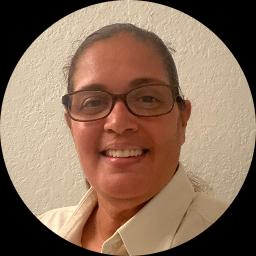
About Rebecca
Her work starts with listening to what matters most to each person. She adapts conversations and plans so they fit individual needs. Sessions aim to help clients build understanding, practical coping skills, and clearer choices for moving forward.
Rebecca has supported people dealing with issues such as abandonment, adoption and foster care concerns, attachment difficulties, autism and Asperger syndrome, blended family challenges, chronic pain or illness, and problems with communication. She also addresses family of origin issues, immigration-related stress, impulsivity, isolation and loneliness, and questions about life purpose and mood disorders.
Her approach is grounded in evidence-based therapeutic techniques and shaped by years of practice. Rebecca works collaboratively to set goals and adjust strategies as progress is made. She frames therapy as a team effort where small, steady changes add up.
People seeking therapy can expect a direct but compassionate style. Rebecca emphasizes practical steps you can use between sessions and supports clients as they try new ways of coping and relating to others.
Areas of expertise
Primary focus
Additional focus areas
Experience
17+ years
Credentials
Florida
Languages
English, Spanish
Approaches that guide online care
Rebecca uses evidence-based therapeutic techniques to help people manage symptoms and make practical changes. One common approach focuses on teaching coping skills and problem-solving steps that reduce anxiety and help with mood regulation. This kind of work is useful when stress or depression makes daily tasks harder.Another central element is trauma-informed care, which centers on safety, pacing, and building trust while addressing past hurt. That approach aims to help people feel steadier and regain control after difficult experiences.
Finding the right approach is part of therapy. The therapist will work together with each person to choose methods that fit their goals, needs, and preferences. Plans are adjusted over time based on what helps most.
The biography does not specify which remote session formats are offered, so please confirm current options before booking. Online therapy can make it easier to fit sessions into a busy life, shorten travel time, and allow check-ins during a work break or between errands. It can also let people continue care when schedules or location change, while keeping the focus on practical support and progress.
Frequently asked questions
What kinds of problems does Rebecca help with?
She works with stress, anxiety, depression, trauma and abuse, family conflict, and coping with life changes. Additional focus areas include abandonment, attachment issues, adoption and foster care concerns, and more.
What is her style in sessions?
Her style is respectful and compassionate with a focus on practical steps. She tailors conversation and plans to each person's needs.
How much clinical experience does she have?
She has 17 years of professional work experience in the field of mental health.
What credential does she hold and where is she based?
She is a Licensed Mental Health Counselor, LMHC, licensed in Florida and practices there.
Which languages are supported for sessions?
Sessions are offered in English and Spanish. International clients are not currently accepted.
What session formats are available?
The original biography does not list specific session formats. Please confirm current session options before booking.
How is cost handled?
Cost varies with location and therapist availability; sessions use a subscription that can be canceled at any time.
How do I begin working with her?
Select the Start Therapy button, complete a short matching questionnaire, and schedule according to the therapist's availability.
Before you get in touch
Therapists listed here offer talking therapy online. A profile is not a diagnosis of you or of anyone in your life, and no therapist can promise how a relationship will turn out.
If you are in danger, or someone is hurting or threatening you, contact emergency services or a domestic-abuse helpline. The numbers are at the foot of this page.