- Faith-informed approach
- Focus on relationships
- Practical skills
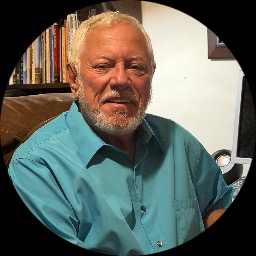
About Raymond
He uses straightforward, evidence-informed methods rather than jargon. Sessions emphasize clear goals, practical skills, and steady progress. Many clients come for help with mood shifts, impulsivity, isolation, money-related stress, or life transitions like divorce and separation.
Raymond describes his approach as compassionate and values-informed, including openness to a Christian perspective when clients want that included. He aims to create a calm space where people can talk through guilt, shame, and past hurts and learn ways to handle difficult emotions in daily life.
His work draws on several clinical approaches such as Acceptance and Commitment Therapy, Cognitive Behavioral Therapy, and Emotionally-Focused Therapy to match tools to each person’s needs. He combines listening with practical exercises that target thinking patterns, emotional awareness, and relationship skills.
Clients can expect a balance of empathetic listening and concrete strategies. Raymond focuses on helping people build better routines, healthier communication, and clearer personal goals. He encourages small, steady changes that fit into everyday life.
Areas of expertise
Primary focus
Additional focus areas
Therapeutic approaches
Experience
14+ years
Credentials
Georgia
Languages
English
How Raymond’s Approaches Fit Online Work
Acceptance and Commitment Therapy (ACT) helps people notice unhelpful thoughts and move toward actions that match their values. It’s useful for anxiety, stress, and finding purpose when life feels stuck. Cognitive Behavioral Therapy (CBT) focuses on changing unhelpful thinking and behavior patterns with practical exercises and homework to reduce symptoms like worry or low mood. Emotionally-Focused Therapy (EFT) centers on noticing and naming emotions, which can help with relationship-related distress and managing strong feelings.Finding the right approach is part of the process. Raymond works collaboratively to match methods to a person’s goals and preferences. He listens to what matters most and adjusts tools and pace so therapy fits each person’s needs.
The original biography does not list specific online session formats, so confirm current options before booking. Online sessions can make it easier to fit therapy into a busy day, reduce travel time, and allow for shorter check-ins when needed. Video visits let people use body language and visual cues, while phone sessions can work when bandwidth or being on camera is difficult. Overall, remote work can make regular attendance more practical while keeping the focus on learning skills and making steady progress.
Frequently asked questions
What kinds of concerns does Raymond address?
He works with stress, anxiety, addictions, relationship issues, grief, and anger. Additional focuses include attachment and abandonment issues, body image, and mood concerns.
How would you describe his therapy style?
Sessions combine listening with hands-on strategies. He uses clear goals and practical exercises to help people change patterns and cope better day to day.
What is his experience background?
He has 14 years of clinical work and brings that experience to help people navigate complex emotional challenges and life transitions.
What credential does he hold and where is he located?
He is a Licensed Professional Counselor, LPC, practicing in Georgia.
Which languages are offered and can international clients be seen?
Sessions are offered in English. He does accept international clients.
What session formats are available?
The original biography does not specify session formats. Please confirm current session options before booking.
How are fees and payment handled?
Cost varies with location and therapist availability, and sessions use a subscription that can be canceled at any time.
How do I begin working with him?
Click the Start Therapy button, complete a short matching questionnaire, and schedule according to therapist availability.
Before you get in touch
Therapists listed here offer talking therapy online. A profile is not a diagnosis of you or of anyone in your life, and no therapist can promise how a relationship will turn out.
If you are in danger, or someone is hurting or threatening you, contact emergency services or a domestic-abuse helpline. The numbers are at the foot of this page.