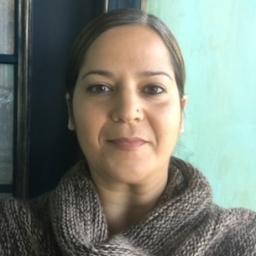
- Warm collaborative style
- Practical coping skills
- English and Spanish
About Raquel
Raquel leans on Client-Centered Therapy to make sessions feel collaborative. She uses Cognitive Behavioral Therapy and Mindfulness techniques to help people notice patterns and try small changes. Motivational Interviewing and Solution-Focused strategies help keep work goal-oriented and manageable.
Her experience includes five years working with stress, anxiety, depression, trauma and abuse, and relationship concerns. She also helps with issues like grief, addiction, sleep and eating difficulties, and challenges around self-esteem and intimacy. Raquel lists additional focus areas such as abandonment, attachment concerns, caregiver stress, and ADHD-related struggles.
Raquel practices in Florida and offers services in English and Spanish. She emphasizes practical steps people can use between sessions and supports clients as they try out new coping strategies. The tone in her work is encouraging and realistic.
People who choose Raquel can expect a straightforward approach that values the client’s goals. She frames therapy as a collaboration and helps clients set small, achievable objectives. Her goal is to support and empower people as they work toward healthier patterns.
Areas of expertise
Primary focus
Also works with
Additional focus areas
Therapeutic approaches
Experience
5+ years
Credentials
Florida
Languages
English, Spanish
How therapy approaches translate to online work
Client-Centered Therapy focuses on listening and reflecting what matters most to the client, creating a collaborative space where the client sets the pace. Cognitive Behavioral Therapy (CBT) helps people notice unhelpful thoughts and test small behavioral changes to reduce anxiety, mood symptoms, or problematic patterns. Mindfulness Therapy adds straightforward practices to increase present-moment awareness and reduce reactivity to stress.Finding the right approach is part of the therapeutic process. The therapist will work together with the client to choose methods that match goals, preferences, and day-to-day needs. That collaborative planning means techniques can be adjusted as progress is made.
Confirm which session formats are available before booking, as formats are not specified here. Online work can make it easier to fit sessions into a busy life, reduce travel time, and allow regular check-ins after major events. It can also let people try shorter or more focused visits when needed. Ask about languages, scheduling, and any session length options when you set up your first appointment.
Frequently asked questions
What concerns does Raquel commonly address?
She works with stress, anxiety, depression, trauma and abuse, relationship and intimacy issues, grief, addiction, sleep and eating problems, self-esteem, ADHD, and related life changes.
What is her therapeutic approach and style?
Her style is down-to-earth and real. She uses Client-Centered Therapy, CBT, Mindfulness, Motivational Interviewing, and Solution-Focused methods to keep work practical and goal-oriented.
How much experience does she have?
She has five years of clinical experience as a practicing social worker and therapist.
What credentials and region are associated with this therapist?
She holds the LCSW credential and practices in Florida.
Which languages are supported in sessions?
Sessions are offered in English and Spanish.
Can international clients work with her?
International clients are not currently accepted.
How are costs and billing handled?
Cost varies with location and therapist availability; sessions use a subscription that can be canceled at any time.
How do I begin working with this therapist?
Start by selecting the Start Therapy button, complete the short matching questionnaire, and then schedule according to therapist availability.
Before you get in touch
Therapists listed here offer talking therapy online. A profile is not a diagnosis of you or of anyone in your life, and no therapist can promise how a relationship will turn out.
If you are in danger, or someone is hurting or threatening you, contact emergency services or a domestic-abuse helpline. The numbers are at the foot of this page.