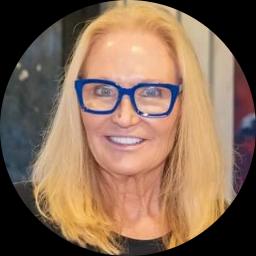
- 30 years experience
- Florida based
- Works in English
About Pamela
Her work focuses on helping people build clearer self-understanding and better communication skills. She uses evidence-informed methods to help people manage emotions and handle difficult situations. Pamela pays close attention to each person's history and needs when planning sessions.
Pamela draws from approaches such as Acceptance and Commitment Therapy, Attachment-Based Therapy, Client-Centered Therapy, Cognitive Behavioral Therapy, and Dialectical Behavior Therapy. She combines elements from these approaches to fit what a person wants to work on. The goal is practical changes people can use between sessions.
With decades of practice in Florida, Pamela has experience with a broad range of concerns including compassion fatigue, bipolar mood concerns, body image, chronic health challenges, and codependency. She also addresses issues tied to aging, abandonment, blended family dynamics, and communication problems.
Sessions are offered in English and Pamela accepts international clients. People who start therapy with her typically begin by describing what matters most to them, then together they set clear, manageable goals to work toward.
Areas of expertise
Also works with
Additional focus areas
Therapeutic approaches
Experience
30+ years
Credentials
Florida
Languages
English
Approaches and how they translate to online work
Acceptance and Commitment Therapy (ACT) focuses on clarifying values and taking action toward them while accepting difficult thoughts and feelings. It can help when anxiety, depression, or life transitions make decision-making and motivation hard. Attachment-Based Therapy looks at how early relationships shape current patterns and emotions, and helps people rework ways of connecting and responding in relationships.Pamela will work collaboratively to find which approach fits best for a person's needs and goals. That means talking together about what feels most helpful, trying methods in sessions, and adjusting the plan as progress is made. The choice of approach is guided by the person's priorities and how they respond in therapy.
The therapist's biography does not list specific online session formats, so confirm current options before booking. In general, online therapy can make it easier to fit sessions into a busy week, reduce travel time, and allow shorter check-ins when that suits a schedule. It can also let someone work with a licensed professional in Florida while living elsewhere. Pamela uses her therapeutic approaches to shape sessions so they address daily challenges and build practical skills that carry over into everyday life.
Frequently asked questions
What kinds of concerns does Pamela help with?
She helps people facing stress, anxiety, depression, trauma and abuse, grief, relationship and parenting issues, addictions, sleep problems, career strain, and related concerns listed in her specialties.
What is her general therapy style?
Her style is practical and person-focused, aiming to build self-understanding and better communication. Sessions emphasize skills people can use between meetings.
How long has she worked in this field?
Pamela has 30 years of clinical experience working with a wide range of emotional and life challenges.
What credentials and location are noted for this therapist?
She holds the LCSW credential and practices in Florida.
Which languages are supported for sessions?
Sessions are offered in English, and she accepts international clients.
What session formats are available?
The original biography does not list specific session formats; please confirm current session options before scheduling.
How is cost handled for sessions?
Cost varies with location and therapist availability, and sessions use a subscription that can be canceled at any time.
What is the first step to begin working together?
Use the Start Therapy button, complete a short matching questionnaire, and schedule according to the therapist's availability.
Before you get in touch
Therapists listed here offer talking therapy online. A profile is not a diagnosis of you or of anyone in your life, and no therapist can promise how a relationship will turn out.
If you are in danger, or someone is hurting or threatening you, contact emergency services or a domestic-abuse helpline. The numbers are at the foot of this page.