- Integrative approach
- BACP credential
- Speaks English French Romanian
About Oana
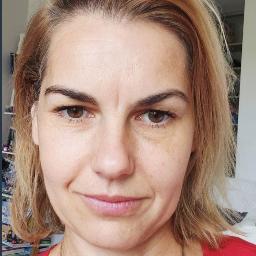
Oana uses an integrative style that draws on several therapy approaches. She listens first and helps people notice the patterns that keep problems alive. Conversations are practical and grounded, aimed at small changes that make daily life easier.
Her work often centres on understanding painful experiences and finding ways to move forward. Techniques may include trauma-focused methods for processing distressing memories and acceptance-based practices to help people live by their values. Sessions also focus on improving communication and coping skills when relationships or parenting feel strained.
She speaks English, French and Romanian and works with people in the United Kingdom as well as international clients. The BACP credential is shown as BACP, which indicates registration with that body.
To start, people complete a short questionnaire and then schedule a first session. Oana aims to help clients set clear goals and try practical steps between meetings. Her approach is collaborative and paced to suit each person.
Areas of expertise
Primary focus
Also works with
Additional focus areas
Therapeutic approaches
Experience
15+ years
Credentials
BACP · United Kingdom
Languages
English, French, Romanian
Therapy approaches and how they work online
Oana commonly draws on Acceptance and Commitment Therapy and trauma-focused methods. Acceptance and Commitment Therapy helps people notice difficult thoughts and feelings without fighting them and then take actions that match their values. It is useful for anxiety, depression and help with life changes. Trauma-focused therapy and EMDR-style approaches aim to reduce the hold of distressing memories and lessen symptoms that follow traumatic events.Finding the best approach is a collaborative process. The therapist will listen to your goals and try methods that fit your needs and preferences. Together you can review what helps and adjust the work as you go, so sessions stay relevant and manageable.
If you are thinking about online therapy, check the session formats before booking so you know what is offered. Online work can make it easier to fit appointments around work or family life, reduce travel time and let people choose a quieter spot for talking. Some approaches adapt well to remote sessions, and practical exercises or between-session tasks can be reviewed over the phone or video. Confirm the current session options when you book to ensure they match your circumstances.
Frequently asked questions
What kinds of issues does she help with?
She works with stress, anxiety, depression, trauma and addiction, plus relationship and intimacy concerns, parenting strain, body image and eating issues.
How would you describe her therapeutic style?
Oana uses an integrative approach. She listens closely, helps people spot unhelpful patterns and offers practical steps to try between sessions.
How much experience does she have?
She has 15 years of counselling and psychotherapy experience across a range of presentations and life stages.
What credential or professional body is listed?
The profile shows BACP, indicating registration with the British Association for Counselling and Psychotherapy.
Which languages are supported for sessions?
Sessions are offered in English, French and Romanian.
Do you work with people outside the UK?
International clients are accepted, so people outside the United Kingdom can enquire about working together.
How are fees and payment managed?
Cost varies with location and therapist availability; sessions use a subscription that can be cancelled at any time.
What is the first step to begin therapy?
Use the Start Therapy button, complete a short matching questionnaire, and then schedule sessions according to therapist availability.
Before you get in touch
Therapists listed here offer talking therapy online. A profile is not a diagnosis of you or of anyone in your life, and no therapist can promise how a relationship will turn out.
If you are in danger, or someone is hurting or threatening you, contact emergency services or a domestic-abuse helpline. The numbers are at the foot of this page.