- Person-centered care
- Skill-based tools
- Warm listening
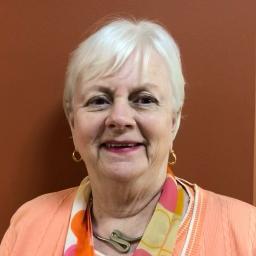
About Mary
In sessions she listens closely and centers what the client brings. Her work draws on client-centered ideas that place the person’s experience at the core of treatment. She also uses cognitive behavioral techniques to help people notice unhelpful thoughts and try different ways of responding.
When emotions feel overwhelming, she may use strategies from dialectical behavior therapy to teach practical skills for managing intense feelings. Emotion-focused ideas guide conversations about attachment and closeness when intimacy or relationship strain is part of the concern.
Mary has worked across many areas including depression, trauma and abuse, parenting strain, ADHD, and care-related stress. She also supports people facing career shifts, identity questions, body image concerns, and complicated life transitions.
Her style is steady and collaborative. Sessions are meant to be a place to talk things through, try small changes, and build on what already works. To begin, users complete a short matching questionnaire and schedule according to the therapist’s availability.
Areas of expertise
Primary focus
Also works with
Additional focus areas
Therapeutic approaches
Experience
34+ years
Credentials
Michigan
Languages
English
Therapeutic approaches and how they fit online
Mary draws on client-centered therapy, which means sessions begin with listening and following the client’s lead to understand what matters most. That approach helps when someone needs acceptance and a calm space to tell their story.She also uses cognitive behavioral therapy, a short-term approach that looks at thoughts and behaviors to reduce anxiety or depression. CBT can be helpful for managing stress, changing unhelpful thinking patterns, and practicing specific coping strategies.
Dialectical behavior therapy techniques may be used to teach emotion regulation and distress tolerance skills when feelings are intense. These practical tools aim to make daily life more manageable and reduce emotional overwhelm.
Finding the right approach is a collaborative process. Mary works with each person to match methods to their goals and preferences, and she adjusts the plan as needs change over time.
Session formats are not detailed in the biography, so confirm current online options before booking. Online therapy can make it easier to fit appointments into a busy life, reduce travel time, or allow shorter check-ins when schedules are tight. Many people find remote sessions help maintain consistency and practice skills between meetings.
Frequently asked questions
What concerns does Mary address?
She helps people with stress, anxiety, depression, grief, relationship and family issues, trauma, and intimacy-related struggles, among other concerns listed in her specialties.
How would you describe her therapeutic style?
Mary combines a person-centered stance with practical tools from cognitive behavioral approaches and skills training when needed. She focuses on listening, noticing patterns, and trying small changes.
How long has she been practicing?
She has 34 years of professional work experience as a licensed social worker in Michigan.
What credential does she hold and where is she based?
She holds an LMSW, which stands for Licensed Master Social Worker, and she practices in Michigan.
Can people meet with her if they live outside the United States?
International clients are not currently accepted; sessions are offered in English to people within the supported region.
What session formats are available?
Session formats are not specified in the biography; please confirm current session options before booking.
How does payment work and what does it cost?
Cost varies with location and therapist availability; sessions use a subscription that can be canceled at any time.
What are the first steps to begin therapy?
Click the Start Therapy button, complete a short matching questionnaire, and schedule according to the therapist’s availability.
Before you get in touch
Therapists listed here offer talking therapy online. A profile is not a diagnosis of you or of anyone in your life, and no therapist can promise how a relationship will turn out.
If you are in danger, or someone is hurting or threatening you, contact emergency services or a domestic-abuse helpline. The numbers are at the foot of this page.