- Client-centered listening
- Skill-based tools
- Mindfulness practices
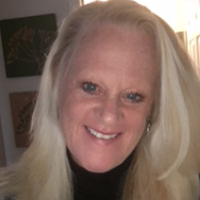
About Mary
Mary brings 45 years of experience to her work and uses a mix of approaches rather than one fixed method. She draws on client-centered listening to understand each person’s goals. She also uses cognitive behavioral strategies to help people notice unhelpful thoughts and try different behaviors. Mindfulness and dialectical skills are woven in to help with emotion regulation and staying grounded.
Her background includes long clinical practice in varied settings and with diverse concerns, including addictions and trauma. Mary has focused work with first responders, veterans, and people affected by violence or disasters. She also addresses specialized topics such as abandonment, aging issues, kink communities, cancer-related distress, and co-occurring conditions.
In sessions she emphasizes education about what’s happening in the body and mind, and practical skills clients can use day to day. Mary encourages learning about responses like PTSD and stress reactions so clients feel more in control. She welcomes inquiries from Colorado residents who want straightforward, experience-based support.
Mary believes therapy is a collaborative process. She helps people set goals, practice new skills, and track progress so they can handle future stressors with more confidence.
Areas of expertise
Primary focus
Also works with
Additional focus areas
Therapeutic approaches
Experience
45+ years
Credentials
Colorado
Languages
English
How Mary’s approaches translate to online care
Client-centered therapy focuses on listening and building a trusting relationship. Online sessions allow time to talk through what’s most troubling and to set practical goals for change. Cognitive behavioral therapy (CBT) targets thoughts and behaviors with clear exercises and homework. Delivered remotely, CBT can include between-session worksheets and brief skill practice to change unhelpful patterns. Dialectical behavior therapy (DBT) offers emotion regulation and distress tolerance tools. Online work can teach these skills step-by-step and support practicing them in daily life.Finding the right approach is part of the process. Mary collaborates with each person to figure out which methods fit their goals and preferences. She tailors techniques over time, checking in to see what helps and adjusting the plan together.
Session formats are not specified in the profile, so confirm current options before booking. Online therapy can make it easier to fit sessions into a busy schedule, allow shorter check-ins when needed, and reduce travel time. Licensed professionals can use remote sessions to share worksheets, teach mindfulness or DBT skills, and support recovery from trauma or addiction while helping clients practice new behaviors between meetings.
Frequently asked questions
What concerns does Mary commonly address?
She works with stress, anxiety, addictions, trauma and abuse, depression, ADHD, relationship and family concerns, grief, intimacy-related issues, anger, self-esteem, career issues, bipolar disorder, compassion fatigue, and related areas including abandonment and codependency.
What is Mary’s therapeutic style?
Her approach blends client-centered listening with practical techniques from cognitive behavioral therapy, dialectical behavior therapy, Jungian ideas, and mindfulness. Sessions focus on understanding problems and learning skills to manage them.
How long has she practiced?
Mary has 45 years of clinical experience working in a range of settings and with diverse concerns.
What credentials and location are listed?
She is a Licensed Professional Counselor (LPC) licensed in Colorado and practices there.
Which languages are supported for sessions?
Sessions are offered in English.
Can people outside the U.S. work with Mary?
International clients are not currently accepted; she works with residents of Colorado.
How are fees and payment handled?
Cost varies with location and therapist availability; sessions use a subscription model that can be canceled at any time.
What are the steps to begin working together?
Use the Start Therapy button, complete a short matching questionnaire, and schedule according to therapist availability.
Before you get in touch
Therapists listed here offer talking therapy online. A profile is not a diagnosis of you or of anyone in your life, and no therapist can promise how a relationship will turn out.
If you are in danger, or someone is hurting or threatening you, contact emergency services or a domestic-abuse helpline. The numbers are at the foot of this page.