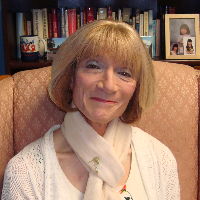
- 35 years experience
- Values-based care
- Relationship focus
About Mary
Her sessions begin with a clear assessment and a practical plan. She listens closely and respects each person’s values and life story. People can expect straightforward talk about symptoms, coping strategies, and relational patterns that affect daily functioning.
Dr. Dier-Zimmermann draws on several well-known therapies to match what a client needs. She uses Acceptance and Commitment Therapy ideas to help people notice thoughts and choose values-based action. Attachment-based work explores how early relationships shape trust and closeness. Client-centered methods keep the conversation focused on the person’s experience and pace.
She also integrates existential themes when questions of meaning, purpose, or life transitions come up. For relationship work she uses elements of the Gottman Method to address communication and recurring conflict. These methods are woven into practical steps for coping, self-care, and building stronger connections.
Her background includes study of religion, spirituality, and psychology, which she uses when faith and belief shape a person’s goals. The practice emphasizes empathy, respect, and nonjudgmental listening while helping clients take manageable steps forward.
Areas of expertise
Primary focus
Also works with
Additional focus areas
Therapeutic approaches
Experience
35+ years
Credentials
Illinois
Languages
English
Therapeutic approaches and how they work in online care
Dr. Dier-Zimmermann uses Acceptance and Commitment Therapy to help people notice unhelpful thoughts and choose actions that match their values. That approach often helps with anxiety, depression, and life changes by focusing on what matters most and small behavioral steps.She also draws on attachment-based ideas to look at how early relationship patterns influence trust, intimacy, and conflict. This work can help when people want to change how they connect with others or reduce recurring relational pain.
Finding the right approach is part of the work. The therapist will collaborate with each person to choose techniques that match their goals, needs, and comfort level. Together they adjust the plan as progress unfolds rather than following one set method.
Session formats are not listed in the biography, so confirm the available options before booking. Online therapy can make it easier to fit appointments into a busy life, reduce travel time, and allow check-ins during a lunch break or between commitments. Some approaches translate well to remote sessions, especially those that focus on conversation, skill practice, and behavioral steps, and the therapist can recommend what will work best for a given concern.
Frequently asked questions
What concerns does she help with?
She works with stress, anxiety, depression, grief, relationship issues, addictions, trauma, LGBTQ concerns, parenting strain, and related topics listed in her profile.
What is her style in sessions?
Sessions are calm and listening-focused. She uses collaborative planning and straightforward talk about coping strategies and relationship patterns.
How much clinical experience does she have?
She has practiced for 35 years and has long experience combining psychology with study of religion and spirituality.
What credential does she hold and where is she located?
She is an LCPC - Licensed Clinical Professional Counselor - practicing in Illinois.
Can I work with her if I live outside the United States?
Sessions are offered in English and she does not accept international clients at this time.
Which session formats are offered?
Current session formats are not specified in the biography; please confirm available formats when you book.
How is pricing handled?
Cost varies by location and therapist availability; sessions use a subscription that can be canceled at any time.
How do I begin working with her?
Click the Start Therapy button, complete a short matching questionnaire, and schedule according to the therapist's availability.
Before you get in touch
Therapists listed here offer talking therapy online. A profile is not a diagnosis of you or of anyone in your life, and no therapist can promise how a relationship will turn out.
If you are in danger, or someone is hurting or threatening you, contact emergency services or a domestic-abuse helpline. The numbers are at the foot of this page.