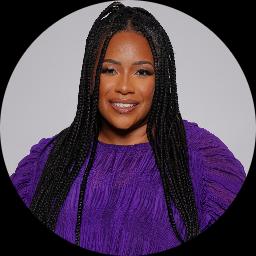
- Direct teaching style
- Skill-focused sessions
- Family-systems perspective
About Marsha
In sessions she explains concepts clearly and gives practical tools people can use between visits. She helps clients notice repeated behaviors, understand emotional triggers, and build stronger ways of coping. That includes setting healthier boundaries, managing intense emotions, and improving communication.
Marsha uses a family-systems perspective to look at how relationships shape behavior. She also draws on several evidence-based therapeutic techniques to address trauma, anxiety, and relationship strain. Her aim is to teach skills that lead to steady progress rather than quick fixes.
People come to her for a wide range of issues, including abandonment and attachment concerns, narcissism and narcissistic abuse, panic attacks, and difficulties with guilt or shame. She also supports those struggling with isolation, life purpose, and women’s issues.
Sessions are presented in a straightforward, educational style that suits people who want clear direction and concrete strategies. Prospective clients in Florida can review options and decide if her practical, skill-focused approach feels like the right fit.
Areas of expertise
Primary focus
Additional focus areas
Experience
10+ years
Credentials
Florida
Languages
English
Therapeutic approaches and how they work online
Marsha blends a family-systems perspective with practical, evidence-based techniques. Family-systems work looks at patterns between people and how those patterns affect individual behavior and stress responses. It helps identify repeating relationship patterns and where boundaries may be needed.She also uses Cognitive Behavioral Therapy (CBT) to help people spot unhelpful thoughts and replace them with clearer, more useful ways of thinking. CBT is often used for anxiety, panic, and social fears. Trauma-informed methods are another focus, offering ways to process past hurts and reduce their day-to-day impact while teaching coping strategies for intense reactions.
Finding the right approach is usually a team effort. The therapist will discuss goals, preferences, and what has or hasn't worked in the past. Together they decide which techniques to try and adjust the plan as progress is made.
Confirm current session options before booking because formats were not specified in the biography. Online work can help fit therapy into busy lives by reducing travel time, making it easier to schedule shorter check-ins, and allowing people to join from different locations within the therapist's practice area. Talk with the therapist about practical needs like session length, frequency, and whether video or phone best supports your day-to-day routine.
Frequently asked questions
What concerns does Marsha help with?
She addresses stress, anxiety, relationship strain, trauma and abuse, and low self-esteem. Additional focus areas include narcissism, panic attacks, attachment and abandonment issues, and women's concerns.
What is her therapy style like?
The approach is direct, structured, and educational. Clients can expect clear explanations, practical tools, and skill-building exercises to use between sessions.
How long has she practiced?
She has ten years of experience working with individuals and developing treatment plans for common life and relationship challenges.
What are her credentials and where is she based?
She is a Licensed Mental Health Counselor (LMHC) practicing in Florida. The profile lists the FL LMHC credential as provided.
Does she offer services in other languages?
Sessions are offered in English.
Can international clients work with her?
International clients are not currently accepted. Sessions are arranged for people located where her licensing allows practice.
How much do sessions cost?
Cost varies with location and therapist availability. Sessions use a subscription that can be canceled at any time.
How do I begin working with her?
Click the Start Therapy button, complete a short matching questionnaire, and then schedule according to the therapist's availability.
Before you get in touch
Therapists listed here offer talking therapy online. A profile is not a diagnosis of you or of anyone in your life, and no therapist can promise how a relationship will turn out.
If you are in danger, or someone is hurting or threatening you, contact emergency services or a domestic-abuse helpline. The numbers are at the foot of this page.