- Relationship support
- Stress and anxiety
- BACP registered
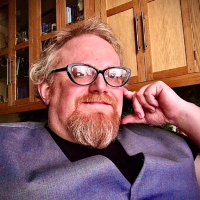
About Madison
He draws on reflection about past and present events to help people better understand their emotions. That process aims to bring more clarity and ease in day-to-day life. Some people come with a clear problem to address. Others are unsure where their unhappiness comes from and need help finding a starting point.
Madison offers one-to-one and couples counselling and creates a space to talk through whatever is on a client's mind. He follows the British Association for Counselling and Psychotherapy Ethical Framework; BACP is shown as his credential. First meetings are used to set out concerns and agree what support might help.
He divides his time between private practice and a training consultancy, while also coordinating a youth counselling service. Past roles include work in the NHS, further education settings, and NHS drug and alcohol services. Those experiences inform a practical, compassionate approach.
Sessions focus on clear, open discussion and practical steps that fit each person's life. Madison aims to help people build resilience and make decisions that suit their values and goals.
Areas of expertise
Primary focus
Also works with
Additional focus areas
Therapeutic approaches
Experience
23+ years
Credentials
BACP · United Kingdom
Languages
English
How attachment and emotion work in online counselling
Attachment-Based Therapy looks at how early relationships shape current ways of relating, helping people notice patterns that affect trust and closeness. It can be useful for those who struggle with fear of abandonment, avoidance or repeated relationship problems.Emotionally-Focused Therapy (EFT) helps people identify and name their emotions and how these shape interactions. It is often used for relationship difficulties and for people who want to change how they respond to strong feelings.
Finding the best approach is part of the work. Madison will talk with clients about their needs, goals and preferences and together they will try to match methods that feel right. That collaborative process can include experimenting with different ways of working until the fit feels helpful.
The therapist's profile does not list specific online session formats, so please confirm available options before booking. Online sessions can make it easier to fit therapy into busy lives, reduce travel time and offer a quieter check-in when schedules are tight. They can also allow shorter phone-style catch-ups when a full video session is not needed, helping counselling slot into everyday routines.
Frequently asked questions
What kinds of concerns does Madison address?
He supports people with stress, anxiety, depression, relationship issues, anger and addictions, plus concerns around LGBT identity, eating and coping with life changes.
How would you describe his therapeutic style?
Madison works in a calm, open and reflective way, helping clients talk through feelings and look at past and present events to find clarity.
How much experience does he have?
He has 23 years of experience working in counselling, including roles in the NHS, further education and drug and alcohol services.
What professional credentials and location are listed?
Madison is listed with the BACP, which is provided as his credential, and he practises in the United Kingdom.
Which languages and international work are supported?
Sessions are offered in English and international clients are accepted.
What session formats are available?
The original biography does not specify session formats; please confirm current session options before booking.
How are fees and payment handled?
Cost varies with location and therapist availability, and sessions use a subscription model that can be cancelled at any time.
What do I do to begin working with him?
Use the Start Therapy button, complete a short matching questionnaire, and then schedule sessions according to the therapist's availability.
Before you get in touch
Therapists listed here offer talking therapy online. A profile is not a diagnosis of you or of anyone in your life, and no therapist can promise how a relationship will turn out.
If you are in danger, or someone is hurting or threatening you, contact emergency services or a domestic-abuse helpline. The numbers are at the foot of this page.