- Practical coping skills
- Communication help
- Trauma-informed care
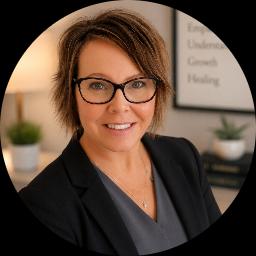
About Leslie
Leslie draws from a mix of therapy approaches to match each person's needs. She uses Acceptance and Commitment Therapy and Cognitive Behavioral Therapy to help shift unhelpful thinking and encourage values-driven action. Mindfulness and client-centered methods are woven in to keep sessions grounded and person-focused.
Her background includes eight years working with people through intense life events and transitions. She pays attention to family of origin issues, attachment and abandonment concerns, and the stress that comes with blended family dynamics. She also supports those managing chronic illness, cancer, body-image struggles, and fatherhood challenges.
Leslie is experienced in addressing relationship and intimacy topics, including commitment issues, communication problems, divorce and separation, and concerns related to BDSM, kink, and alternative sex culture. She responds to situations involving domestic violence and helps people recover from abuse and overwhelming loss.
Clients can expect a collaborative process that emphasizes finding small, manageable changes. Sessions are focused on where the client is now and what concrete steps feel doable. Leslie practices in North Carolina and offers services in English.
Areas of expertise
Primary focus
Additional focus areas
Therapeutic approaches
Experience
8+ years
Credentials
North Carolina
Languages
English
How therapy approaches guide online work
Acceptance and Commitment Therapy (ACT) helps people clarify what matters to them and take small steps toward those values. It is useful for anxiety, depression, and feeling stuck. Cognitive Behavioral Therapy (CBT) focuses on identifying unhelpful thought patterns and testing them with real-life changes to reduce distress and improve mood.Finding the right approach is part of the process. The therapist will work together with the client to pick techniques that match the person's goals, preferences, and current challenges. That collaborative planning can change over time as needs shift.
Please confirm current session options before booking since specific online or remote formats are not listed in the biography. Online work can make it easier to fit therapy into a busy day, allow shorter check-ins when needed, and remove travel time. Many people find it simpler to maintain regular sessions and practice skills between meetings when sessions fit into everyday life.
Frequently asked questions
What concerns does Leslie commonly help with?
She supports people with stress, anxiety, depression, bipolar mood concerns, trauma and grief, along with related issues such as abandonment, attachment, and family of origin difficulties.
What is her therapeutic approach like?
Her style is collaborative and down-to-earth. She blends ACT, CBT, mindfulness, client-centered, and solution-focused ideas to find what works for each person.
How much experience does she have?
Leslie has eight years of clinical experience working with people through life transitions, trauma, and mood concerns.
Where does she practice and what credential does she hold?
She practices in North Carolina and holds the credential LCMHC, which is a licensed clinical mental health counselor credential in that state.
Which languages are supported?
Sessions are offered in English.
Can international clients work with her?
She does not accept international clients at this time.
How are sessions scheduled and what do they cost?
Cost varies with location and therapist availability; sessions use a subscription that can be canceled at any time.
How do I begin working with Leslie?
Select the Start Therapy button, complete a short matching questionnaire, and schedule according to therapist availability.
Before you get in touch
Therapists listed here offer talking therapy online. A profile is not a diagnosis of you or of anyone in your life, and no therapist can promise how a relationship will turn out.
If you are in danger, or someone is hurting or threatening you, contact emergency services or a domestic-abuse helpline. The numbers are at the foot of this page.