- Open non-judgmental style
- Goal focused
- Strengths based
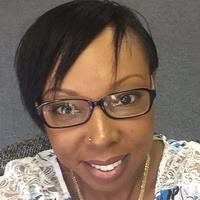
About Kimbalie
Kim uses clear, practical techniques in sessions. She favors straightforward conversation and collaborative planning. Her style is open and non-judgmental so clients can talk honestly about hard things.
Her work draws on cognitive behavioral ideas to change unhelpful thinking and behavior. She also uses solution-focused steps to set short-term goals and motivational interviewing to strengthen commitment to change. Mindfulness and narrative approaches help people notice patterns and reframe difficult stories.
Kim earned a Master of Social Work from Barry University in Miami in 2000 and holds a Florida Licensed Clinical Social Worker credential, LCSW. She brings about 20 years of clinical experience to her practice and has helped people adjust to big life transitions and recover from trauma.
Sessions are tailored to each person’s goals and pace. Kim emphasizes building on existing strengths and creating simple, realistic plans for change. She invites people who are ready to make a shift to begin with a short matching questionnaire and a scheduling step.
Areas of expertise
Primary focus
Also works with
Additional focus areas
Therapeutic approaches
Experience
20+ years
Credentials
Florida
Languages
English
Approaches used in virtual sessions and how they help
Kim commonly uses cognitive behavioral techniques and mindfulness practices in her work. Cognitive behavioral therapy helps people identify unhelpful thoughts and test new ways of thinking and behaving, which suits anxiety, mood challenges, and stress. Mindfulness therapy teaches simple attention and breathing practices to reduce reactivity and improve sleep and emotional regulation.She also draws on motivational interviewing to build commitment for change. That approach is useful when someone feels stuck or unsure about taking next steps. Choosing the right mix of methods is a collaborative process; Kim will work with each person to find what fits their goals, pace, and preferences.
The original biography does not list specific online formats, so please confirm the available session types before booking. Many people find online sessions helpful because they fit more easily into a busy day, reduce travel time, and allow shorter check-ins when needed. Online work can also make it easier to maintain continuity during life changes and to practice new skills between sessions.
Frequently asked questions
What kinds of concerns does this therapist address?
Kim supports people with stress, anxiety, relationship and family difficulties, trauma and abuse, self-esteem and sleep problems, parenting and anger, career issues, bipolar and mood disorders, ADHD, and coping with life changes.
How would you describe the therapeutic approach and style?
The style is open, non-judgmental, and interactive. Kim blends cognitive behavioral work, solution-focused steps, motivational interviewing, mindfulness, and narrative techniques to suit each person.
What is the therapist's background and experience?
She earned a Master of Social Work from Barry University in Miami in 2000 and brings about 20 years of clinical experience helping people with trauma, anxiety, depression, and life transitions.
Where is this therapist located and what are the credentials?
Kim is based in Florida and holds a Florida Licensed Clinical Social Worker credential, LCSW.
Which languages are supported for sessions?
Sessions are offered in English. International clients are accepted.
What session formats are offered?
The original biography does not specify session formats. Please confirm current session options before booking.
How is cost handled for sessions?
Cost varies with location and therapist availability; sessions use a subscription that can be canceled at any time.
How do I begin working with this therapist?
Select the Start Therapy button, complete a short matching questionnaire, and schedule according to therapist availability.
Before you get in touch
Therapists listed here offer talking therapy online. A profile is not a diagnosis of you or of anyone in your life, and no therapist can promise how a relationship will turn out.
If you are in danger, or someone is hurting or threatening you, contact emergency services or a domestic-abuse helpline. The numbers are at the foot of this page.