- Trauma informed
- Queer affirming
- Relationship focus
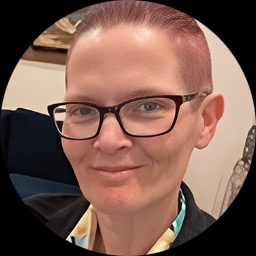
About Katrina
Sessions focus on practical steps that help people feel steadier in daily life. Katrina listens for how attachment, communication, control, and shame show up in relationships and personal choices. She helps people name patterns and try small changes that improve how they relate to others and themselves.
The approach is collaborative and trauma-informed. Katrina blends methods that target symptoms like panic, social anxiety, and post-traumatic stress while also addressing deeper issues such as guilt, forgiveness, and self-love. Her style is warm and down-to-earth, and she uses humor when it fits to lighten heavy moments.
With six years of clinical experience, Katrina brings steady support for people working through life purpose questions, sexuality, isolation, or the impacts of narcissistic dynamics. Clients can expect straightforward conversation, practical tools, and a focus on building resilience.
Practice is based in California and sessions are conducted in English. Visitors should confirm current session options before booking to ensure they match personal needs and schedules.
Areas of expertise
Primary focus
Additional focus areas
Experience
6+ years
Credentials
California
Languages
English
Evidence-based approaches and how they work online
Trauma-informed care focuses on understanding how past harm affects current reactions and relationships. It helps people recognize triggers, build safety in interactions, and practice skills that reduce reactivity and shame.EMDR is an approach that helps people process disturbing memories and the emotions tied to them. In sessions it often involves guided attention and talking through how memories feel, which can reduce distress over time and improve daily functioning.
Finding the right approach is a collaborative process. The therapist will talk with each person about their goals, preferences, and what has or hasn’t helped before. Together they decide which techniques to try and adjust the plan as progress is made.
Practical benefits of online work include fitting therapy into a busy schedule and reducing travel time. Online sessions can make it easier to keep regular appointments around work, school, or caregiving duties. Because specific session formats were not listed in the biography, confirm available options before booking so you know whether video, phone, or another format is offered.
Frequently asked questions
What concerns does Katrina commonly help with?
She supports people dealing with stress, anxiety, depression, trauma and abuse, relationship strain, and LGBT-related issues. Additional areas include attachment, communication, control issues, shame, loneliness, and concerns about narcissism.
What is her therapeutic style like?
The style is collaborative, warm, and down-to-earth. Katrina aims for straightforward conversation, practical tools, and an affirming space where honesty and humor can coexist.
How much clinical experience does she have?
Katrina has six years of experience working with people who face trauma, anxiety, relationship challenges, and identity questions.
What credentials and region are listed?
She is a Licensed Marriage and Family Therapist, LMFT, practicing in California.
Which languages are sessions offered in?
Sessions are offered in English only and international clients are not currently accepted.
What session formats are available?
The original biography does not list specific session formats. Please confirm current session options before booking to ensure they meet your needs.
How is cost handled for sessions?
Cost varies with location and therapist availability and sessions use a subscription that can be canceled at any time.
How do I begin working with Katrina?
Start by selecting the Start Therapy button, completing a short matching questionnaire, and then scheduling according to the therapist's availability.
Before you get in touch
Therapists listed here offer talking therapy online. A profile is not a diagnosis of you or of anyone in your life, and no therapist can promise how a relationship will turn out.
If you are in danger, or someone is hurting or threatening you, contact emergency services or a domestic-abuse helpline. The numbers are at the foot of this page.