- Intuitive listening
- Boundary work
- Skill building
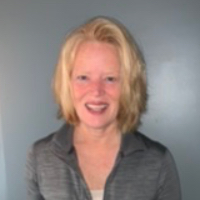
About Jerrilynn
Her work focuses on uncovering the sources of suffering rather than only managing symptoms. She guides people through issues like trauma, addiction, depression, anxiety, grief, and relationship or intimacy-related struggles. She also supports those dealing with stress, burnout, ADHD, body image concerns, and career strain.
In sessions she uses a mix of evidence-informed methods, including acceptance and commitment techniques, attachment-focused work, client-centered listening, cognitive behavior tools, and dialectical behavior ideas. These approaches are used to build coping skills, strengthen emotional awareness, and improve communication. The emphasis is on learning self-compassion, setting boundaries, and reducing patterns such as codependency and avoidance.
Jerrilynn aims to help people replace victim-focused stories with new, healthier narratives. She encourages accountability, grief processing, and practical steps toward goals in areas like relationships, work, and personal growth. Her style is empathetic and motivating, inviting people who are ready to do honest work on healing and change.
She welcomes conversations about how therapy could fit into someone’s life and what to expect from the process. Prospective clients should confirm current session options before booking.
Areas of expertise
Primary focus
Also works with
Additional focus areas
Therapeutic approaches
Experience
10+ years
Credentials
New York, Florida
Languages
English
How therapeutic approaches translate to online work
Acceptance and Commitment Therapy (ACT) focuses on noticing thoughts and feelings without fighting them, then choosing actions that match personal values. It can help with anxiety, depression, and difficulties that come from stuck thinking patterns.Attachment-Based Therapy looks at how early relationships shape current emotional responses and connection patterns. This work helps people who struggle with trust, abandonment fears, or repeated relationship conflicts.
Cognitive Behavioral Therapy (CBT) helps identify and change unhelpful thoughts and behaviors through practical exercises and real-life practice. It is commonly used for mood, anxiety, and coping skills development.
Finding the right approach is usually collaborative. The therapist will talk with each person about goals, history, and preferences and then try methods that fit those needs. Clients can expect to review what works and adjust the plan together over time.
The original biography does not specify which online session formats are offered, so confirm the available formats when booking. Online work can make it easier to fit therapy into a busy life, reduce commute time, and allow shorter check-ins when schedules are tight. It also lets people use breathing, grounding, and practical skill practice in the moments they most need them.
Frequently asked questions
What kinds of concerns does Jerrilynn address?
She helps people with trauma, addiction, depression, anxiety, grief, relationship and intimacy issues, and related problems like stress, ADHD, and body image concerns.
What is her therapy style like?
Sessions combine warm, direct listening with practical tools. The work focuses on changing unhelpful self-talk, building coping skills, and improving emotional awareness.
How much clinical experience does she have?
She has ten years of experience working with people facing trauma, substance issues, mood concerns, and life transitions.
What credentials and region are listed for this clinician?
She holds the Licensed Mental Health Counselor credential (LMHC) and practices in Florida with licensure noted as FL LMHC and NY LMHC.
Which languages are used in sessions?
Sessions are offered in English and international clients are not currently accepted.
What session formats are offered?
The original biography does not list specific session formats; please confirm current session options with the therapist before scheduling.
How are fees and payment handled?
Cost varies by location and therapist availability; sessions use a subscription that can be canceled at any time.
How do I begin working with her?
Click the Start Therapy button, complete a short matching questionnaire, and schedule according to therapist availability.
Before you get in touch
Therapists listed here offer talking therapy online. A profile is not a diagnosis of you or of anyone in your life, and no therapist can promise how a relationship will turn out.
If you are in danger, or someone is hurting or threatening you, contact emergency services or a domestic-abuse helpline. The numbers are at the foot of this page.