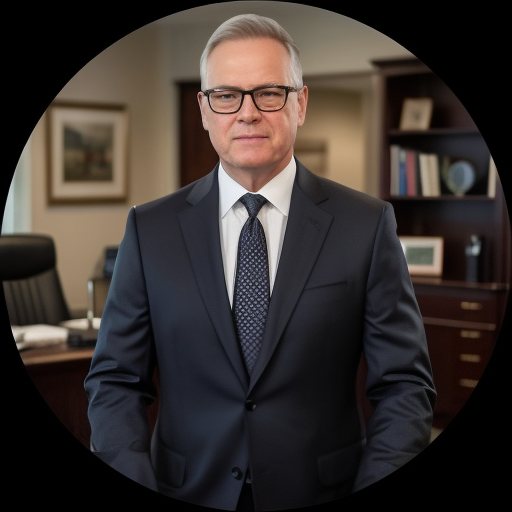
- 30 years experience
- LPC-MHSP credential
- English and Japanese
About Edward
With three decades of work in Tennessee, he draws on a variety of approaches to match what each person needs. He often helps clients who are coping with depression, bipolar mood concerns, anxiety, grief, and stress. He also supports people dealing with intimacy issues, body image, parenting stress, addiction, and complex family-of-origin problems.
Dr. Varner’s practice incorporates methods that focus on values, relationships, and present-moment coping. He uses techniques from cognitive behavioral therapy to spot unhelpful thinking, and tools from dialectical behavior therapy to teach emotional regulation. Attachment-based ideas guide work on relationship patterns and closeness.
He names Christian values and a conservative viewpoint as part of his way of relating with some clients. Those who prefer that perspective may find it familiar and respectful. He also works with people from diverse cultural backgrounds and offers services in English and Japanese.
He holds the credential LPC-MHSP, which indicates his licensure in Tennessee. Over the years he has helped people with trauma recovery, sexual assault aftercare, communication problems, and rebuilding resilience after major life changes. If you want a steady, experienced clinician who blends practical skills with a values-aware approach, he may be a fit.
Areas of expertise
Primary focus
Also works with
Additional focus areas
Therapeutic approaches
Experience
30+ years
Credentials
Tennessee
Languages
English, Japanese
How certain approaches fit with online work
Acceptance and Commitment Therapy (ACT) focuses on values and committed action. It helps people clarify what matters to them and take small steps toward those values while accepting difficult feelings. Cognitive Behavioral Therapy (CBT) looks at patterns of thinking and behavior, then teaches strategies to change them, which can help with depression, anxiety, and mood swings. Attachment-Based Therapy examines how early relationship patterns affect current connections and teaches new ways to relate and build trust.Finding the right approach is part of therapy. Dr. Varner will work with each person to choose methods that match their goals, needs, and preferences. That decision is collaborative and can shift as progress is made.
Confirm the available online session options before booking, since formats are not detailed here. Online work can make it easier to fit sessions into a busy life, reduce travel time, and allow check-ins that are shorter when needed. It can also let people use video or phone in ways that match comfort level and bandwidth. Licensed professionals often adapt exercises, journaling, and behavior plans for remote sessions so clients can practice skills between appointments.
Frequently asked questions
What kinds of concerns does he address?
He works with relationship strain, trauma and abuse, mood disorders like depression and bipolar disorder, anxiety, grief, body image, addiction, and many life transitions.
What is his therapeutic style like?
The approach is practical and steady. He mixes talk therapy with skill-building to manage emotions and improve communication.
How long has he practiced?
He has about 30 years of experience providing counseling in Tennessee and surrounding communities.
What are his credentials and where does he practice?
He holds the credential LPC-MHSP and practices in Tennessee.
Which languages are offered for sessions?
Sessions are offered in English and Japanese.
Can people outside the U.S. work with him?
He accepts international clients, which may allow people outside the U.S. to connect for services.
How are fees and payments handled?
Cost varies with location and therapist availability; sessions use a subscription that can be canceled at any time.
What steps are needed to begin therapy?
Use the Start Therapy button, complete a short matching questionnaire, and schedule according to therapist availability.
Before you get in touch
Therapists listed here offer talking therapy online. A profile is not a diagnosis of you or of anyone in your life, and no therapist can promise how a relationship will turn out.
If you are in danger, or someone is hurting or threatening you, contact emergency services or a domestic-abuse helpline. The numbers are at the foot of this page.