- Direct communication
- Practical tools
- Relationship focus
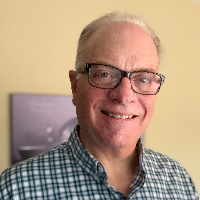
About Doyle
He brings ten years as a licensed counselor and many more years working in pastoral roles. That background shapes a direct, compassionate style. Sessions often focus on identifying patterns tied to family of origin, attachment, and communication. He encourages clients to name triggers and try small, specific changes.
Doyle uses an integrative approach grounded in client-centered care and Cognitive Behavioral Therapy (CBT). He also works with Attachment-Based Therapy and the Gottman Method when relationship work is needed. In session he balances challenge and comfort while helping clients practice new skills.
People who come for help with addictions, eating or relational difficulties often look at how past relationships influence current behavior. Doyle guides that exploration without blaming, and he helps people build healthier responses. He also supports fathers facing role changes and people coping with loss of many kinds.
His communication is direct and goal-focused. Together with each person, he creates a clear plan to address the problems they bring. Prospective clients in New Jersey can expect practical steps and a straightforward approach to therapy.
Areas of expertise
Primary focus
Also works with
Additional focus areas
Therapeutic approaches
Experience
10+ years
Credentials
New York, New Jersey
Languages
English
How his approaches shape online therapy
Attachment-Based Therapy focuses on how early relationships affect current bonds and emotional reactions. It helps people understand patterns with partners and family members and reduce reactivity in tense moments. Client-Centered Therapy centers the person in the room, listening closely and following their pace so they feel heard and seen. Cognitive Behavioral Therapy (CBT) looks at the links between thoughts, feelings and actions and teaches practical exercises to change unhelpful patterns.Choosing the right approach is part of the work. The therapist will collaborate with each person to decide which methods fit their needs, goals and preferences. That choice can be adjusted over time as people try strategies and see what helps.
Confirm session options before booking so you know what formats are available. Online therapy can make it easier to fit sessions into a busy life, reduce travel time, and allow shorter check-ins when needed. It can also make it simpler to bring relationship work into conversations that happen between partners. Licensed professionals aim to match methods and scheduling to practical daily needs rather than offering a one-size-fits-all plan.
Frequently asked questions
What concerns does he help with?
Doyle supports people dealing with stress, anxiety, depression, relationship problems, parenting strain, addictions, eating and self-esteem concerns. He also pays attention to attachment issues, communication and control problems.
What is his therapeutic style like?
He uses a straightforward, direct approach that balances challenge and comfort. Sessions emphasize practical tools and clear steps clients can try between meetings.
What background and experience does he have?
He has been a licensed counselor for ten years and served in pastoral roles for many decades. That mix informs his practical and relational focus in therapy.
What credentials and region does he practice in?
He holds LMHC and LPC credentials - LMHC in New York and LPC in New Jersey - and practices in New Jersey.
Which languages are sessions offered in?
Sessions are offered in English.
Can international clients work with him?
He does not work with international clients at this time.
How are sessions priced?
Cost varies with location and therapist availability; sessions use a subscription that can be canceled at any time.
How do I begin working with him?
Select the Start Therapy button, complete a short matching questionnaire, and schedule according to therapist availability.
Before you get in touch
Therapists listed here offer talking therapy online. A profile is not a diagnosis of you or of anyone in your life, and no therapist can promise how a relationship will turn out.
If you are in danger, or someone is hurting or threatening you, contact emergency services or a domestic-abuse helpline. The numbers are at the foot of this page.