Therapist listings are provided by BetterHelp. We will earn a commission at no extra cost to you if you use our links to buy.

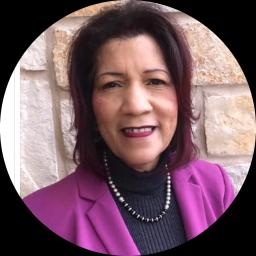
Dianne Dabney
Experience
5 years
Based in
Texas
Sessions
Online
Languages
English

Therapist · Texas

Dianne Dabney

LPC

Compassionate counselor focused on practical change

Continue with Dianne

Opens BetterHelp, where you can review online therapy options and next steps.

License and NPI on record

LPC
Texas · 81131
NPI
1821606211

As listed on the therapist's profile. A license can be checked with the state board, and an NPI with the national NPI registry.

  • Practical coping tools
  • Thought-focused work
  • Relationship support

About Dianne

Dianne Dabney is a Licensed Professional Counselor (LPC) in Texas who helps people manage stress, anxiety, relationship struggles, and changes in life. She uses practical tools to help people sort thoughts and emotions. Dianne focuses on making therapy clear and doable for everyday life. Dianne bases much of her work in Cognitive Behavioral Therapy, which looks at how thoughts affect feelings and actions. She also draws on client-centered ideas to keep sessions focused on each person's goals. Her background includes five years of counseling experience and a master’s degree in clinical mental health, which she uses to teach practical skills people can try between sessions. She has worked with adults and older adults across a range of concerns including grief, trauma and abuse, addictions, and parenting stress. Dianne also addresses issues such as body image, communication problems, codependency, and intimacy-related struggles. Her approach aims to give clear coping tools and step-by-step plans when needed. Sessions tend to be collaborative and goal-oriented. She helps people set small, achievable steps and checks progress along the way. For people worried about intense emotions, she can introduce skills from Dialectical Behavior Therapy to help manage strong feelings. Clients looking for support around relationship patterns may find her use of Emotionally-Focused Therapy and elements of the Gottman Method helpful for improving communication and connection. Dianne encourages questions and works with each person to find what fits their life.

Areas of expertise

Primary focus

Stress, AnxietyRelationship issuesAnger managementDepressionCoping with life changes

Also works with

AddictionsFamily conflictsTrauma and abuseGriefIntimacy-related issuesParenting issuesSelf esteemBipolar disorderCompassion fatigueADHD

Additional focus areas

AbandonmentAging and geriatric issuesAntisocial personalityAttachment issuesBlended family issuesBody imageCaregiver issues and stressCo-morbidityCodependencyCommitment issuesCommunication problemsControl issuesDependent personalityDivorce and separationDomestic violenceDrug and alcohol addictionEmptinessFamily problemsFirst responder issuesForgivenessGuilt and shameHoardingHospice and end-of-life counselingImpulsivityInfidelityIsolation / lonelinessJealousyLife purposeMidlife crisisVeteran and Armed Forces IssuesMoney and financial issuesMood disordersMulticultural concernsNarcissismObsessions, compulsions, and OCDPanic disorder and panic attacksParanoiaPersonality disordersPhobiasPostpartum depressionPost-traumatic stressPregnancy and childbirthSeasonal Affective Disorder (SAD)Self-harmSelf-loveSocial anxiety and phobiaWomen's issuesWorkplace issuesYoung adult issues

Therapeutic approaches

Client-Centered TherapyCognitive Behavioral Therapy (CBT)Dialectical Behavior Therapy (DBT)Emotionally-Focused Therapy (EFT)Gottman MethodMotivational InterviewingSolution-Focused Therapy

Experience

5+ years

Credentials

Texas

Languages

English

How therapeutic approaches shape online care

Dianne often uses Cognitive Behavioral Therapy which focuses on spotting unhelpful thoughts and testing them with simple, practical experiments. CBT can help with anxiety, depression, stress, and patterns that get in the way of daily life. She also draws on Client-Centered Therapy, which puts the person's goals and experience at the center of sessions. This approach emphasizes listening, validation, and working at a pace that feels right for the individual. For people who struggle with intense emotions, elements of Dialectical Behavior Therapy can be added to teach skills for managing strong feelings and improving coping. Finding the right approach is part of the work together. The therapist discusses options and tailors methods to the client's needs, goals, and preferences. That means trying approaches, checking what helps, and adjusting plans collaboratively. Confirm current session options before booking so you know how sessions will be scheduled. Online therapy can make it easier to fit counseling into a busy life - for example, sessions can reduce travel time, allow shorter check-ins during a break, or remove the need to arrange childcare for every visit. Talk with the therapist about what will work best for timing, length, and the kinds of exercises to use between sessions.

Frequently asked questions

What issues does Dianne often address?

She works with stress, anxiety, depression, relationship and intimacy-related issues, grief, trauma and abuse, addictions, parenting concerns, ADHD, and a range of related topics such as codependency and communication problems.

What is her therapeutic style like?

Her style is practical and collaborative, using Cognitive Behavioral Therapy as a base while integrating client-centered work and other evidence-based techniques to meet individual goals.

How much experience does she have?

She has five years of counseling experience and applies a master’s level education in clinical mental health to teach skills and strategies during sessions.

What credentials and region are associated with this therapist?

Dianne holds the LPC credential and practices in Texas.

Which languages are supported for sessions?

Sessions are offered in English.

Can international clients work with her?

International clients are not currently accepted.

How does payment and cost work?

Cost varies with location and therapist availability; sessions use a subscription that can be canceled at any time.

How do I begin working with this therapist?

Select the Start Therapy button, complete a short matching questionnaire, and schedule according to therapist availability.

Before you get in touch

Therapists listed here offer talking therapy online. A profile is not a diagnosis of you or of anyone in your life, and no therapist can promise how a relationship will turn out.

If you are in danger, or someone is hurting or threatening you, contact emergency services or a domestic-abuse helpline. The numbers are at the foot of this page.

Back to all therapists

Dianne DabneyReview online therapy options on BetterHelp.

Continue with Dianne