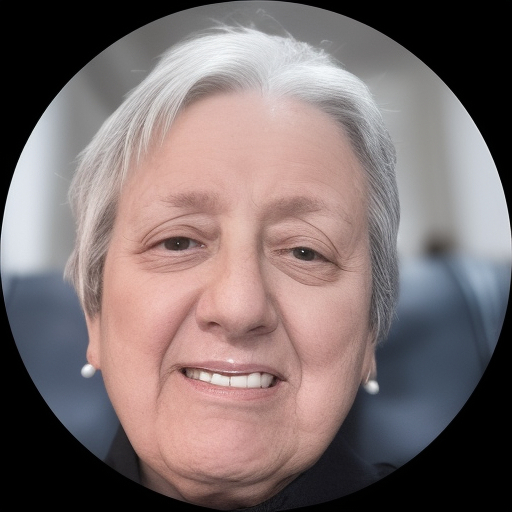
- Client-centered care
- Practical coping skills
- Trauma-informed support
About Devona
Dee creates an open, nonjudgmental space for people to talk through their thoughts and feelings. She emphasizes courage and steady progress, meeting each person where they are. Sessions tend to focus on understanding patterns, learning new ways to cope, and building day-to-day skills that reduce distress.
Her work draws on client-centered methods that prioritize the person's own goals and values. Cognitive behavioral techniques are used to identify unhelpful thinking and try different behavior strategies. Mindfulness practices are often included to help manage stress and increase present-moment awareness.
Dee also uses trauma-focused approaches when past harm continues to shape daily life. That helps people process difficult memories and reduce their ongoing emotional impact. Treatment plans are practical and paced to match what each person feels ready for.
People who are looking for respectful, steady support during recovery tend to fit well with her style. She aims to empower clients to rebuild confidence and make lasting changes. To start, readers should confirm current session options before booking and follow the site’s process to match with a therapist.
Areas of expertise
Primary focus
Additional focus areas
Therapeutic approaches
Experience
30+ years
Credentials
Indiana
Languages
English
Approaches that guide online work
Client-Centered Therapy focuses on listening and supporting the person's own goals. It helps people feel heard and respected while they decide what changes matter most. Cognitive Behavioral Therapy, or CBT, looks at links between thoughts, feelings, and behavior and offers simple exercises to test new ways of responding to stress and worry.Finding the right approach is part of the process. The therapist will work collaboratively to match methods to the client's needs, goals, and preferences. That may mean combining listening-based work with practical CBT tools or adding mindfulness exercises when stress is high.
Confirm available session formats before booking, since the biography does not list specific options. Online therapy can make it easier to fit sessions into a busy life - for example, a shorter check-in can work during a lunch break, and sessions without video can reduce bandwidth needs. Licensed professionals can help arrange a rhythm that fits daily routines while focusing on steady progress and skill building.
Frequently asked questions
What concerns does she help with?
She helps people with stress, anxiety, depression, grief, low self-esteem, trauma and abuse, and recovery from abusive narcissistic relationships. Additional focus areas include abandonment, caregiver stress, chronic illness, codependency, and related issues.
How would you describe her therapeutic style?
Her style is open and nonjudgmental and emphasizes practical steps. She centers the client's goals and uses straightforward strategies to reduce distress and build skills.
What is her clinical background?
She has 30 years of professional clinical experience working with a wide range of emotional and trauma-related concerns.
What are her credentials and where is she licensed?
She holds the LMHC credential and is licensed in Indiana.
Which languages are supported and can she work with international clients?
Sessions are offered in English. She does not accept international clients at this time.
What session formats are available?
Please confirm current session options before booking, as formats are not specified in the biography and may vary by therapist and location.
How are fees handled?
Cost varies with location and therapist availability; sessions use a subscription that can be canceled at any time.
How do I begin working together?
Click the Start Therapy button, complete a short matching questionnaire, and schedule according to the therapist's availability.
Before you get in touch
Therapists listed here offer talking therapy online. A profile is not a diagnosis of you or of anyone in your life, and no therapist can promise how a relationship will turn out.
If you are in danger, or someone is hurting or threatening you, contact emergency services or a domestic-abuse helpline. The numbers are at the foot of this page.