- Person-centered approach
- Trauma-informed care
- Goal-oriented work
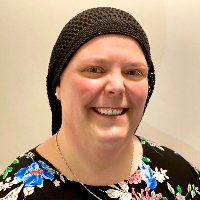
About Chana
Hersh begins by listening and building a trusting space where people can speak openly without judgment. She uses a person-centered way of meeting clients where they are and clarifying what they want to change. From that foundation she combines different techniques to suit each person’s goals.
Over a long career she has worked in community and hospital settings and with people who faced severe mental health challenges. She later focused on supporting survivors of abuse and neglect, and on issues such as chronic pain, substance and sexual addictions, and eating disorders. That background shapes her practical, goal-focused approach.
In sessions she often draws on methods from attachment-based work, cognitive-behavioral tools, dialectical behavior strategies, existential ideas, and client-centered listening. The mix is chosen to fit what each person needs and wants to accomplish.
Hersh aims to help people set clear outcomes and follow a road map toward those goals. People who work with her move at their own pace while tracking practical steps toward improved daily functioning and relationships.
Areas of expertise
Primary focus
Also works with
Additional focus areas
Therapeutic approaches
Experience
25+ years
Credentials
Texas
Languages
English
How therapeutic approaches shape online care
Attachment-Based Therapy focuses on patterns in close relationships and how early bonds affect current trust, safety, and intimacy. It can help people who struggle with attachment issues, abandonment fears, or relationship cycling. Cognitive Behavioral Therapy (CBT) looks at unhelpful thoughts and behaviors and teaches practical skills to change them, which is useful for anxiety, depression, sleep problems, and coping with life changes. Client-Centered Therapy centers the person’s own experience, using active listening and empathy to clarify goals and build motivation for change.Finding the right approach is part of the work. The therapist will talk with the client about goals, preferences, and what feels most helpful. Together they will pick and adapt methods so sessions stay focused on what the person wants to accomplish.
If you are considering online sessions, confirm current session options before booking. Online work can make it easier to fit therapy into a busy day, reduce travel time, and allow check-ins from different locations when schedules change. It can also let people use written or visual tools during sessions and try skill practice between meetings. Ask about session logistics and how techniques like CBT exercises or attachment-focused conversations are handled remotely so you know what to expect.
Frequently asked questions
What kinds of concerns does she help with?
She supports people with stress, anxiety, depression, trauma and abuse, relationship and intimacy issues, grief, addictions, eating and sleeping problems, ADHD, and many life changes.
How would you describe her therapeutic style?
Her style starts with listening and building trust in a person-centered way. She then combines practical techniques to meet each person's goals.
What is her background and experience?
She has 25 years in counseling, including work with hospital systems, community programs, and later focus on survivors of abuse and neglect.
What credentials and location are listed?
She holds the LPC credential as a Licensed Professional Counselor in Texas and practices from that state.
In what language are sessions offered?
Sessions are offered in English.
Does she work with clients outside the United States?
International clients are not currently accepted.
How does pricing and payment work?
Cost varies with location and therapist availability, and sessions use a subscription that can be canceled at any time.
What are the first steps to begin working together?
Click the Start Therapy button, complete a short matching questionnaire, and schedule according to therapist availability.
Before you get in touch
Therapists listed here offer talking therapy online. A profile is not a diagnosis of you or of anyone in your life, and no therapist can promise how a relationship will turn out.
If you are in danger, or someone is hurting or threatening you, contact emergency services or a domestic-abuse helpline. The numbers are at the foot of this page.