- Direct practical tools
- Attachment-informed work
- Mindfulness and CBT
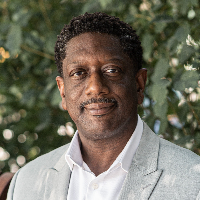
About Barry
He has worked in criminal justice settings evaluating people affected by trauma, including PTSD related to incarceration and community supervision. That background informs his work with people who face stigma, complex stress, or repeated life disruptions. He also has experience supporting clients with addiction, bipolar disorder, attention differences, and grief.
Barry draws from several approaches in his work. He uses Attachment-Based ideas to look at how early bonds shape current relationships. He also applies Cognitive Behavioral Therapy to change unhelpful thinking and Emotionally-Focused Therapy to address strong feelings in relationships. Mindfulness practices are offered to help people manage body sensations and stress in the moment.
In sessions, he likes to build simple routines clients can follow between meetings. He emphasizes self-regulation through lifestyle checks he calls the "7 Pillars of Health," which help people track sleep, mood, and daily habits. Spirituality may be part of the conversation when a client wants to include faith in their healing.
People who prefer straightforward guidance and practical tools tend to do well with his style. Those interested in exploring patterns from the past alongside hands-on coping skills will find a blend of insight and action in his work.
Areas of expertise
Primary focus
Also works with
Additional focus areas
Therapeutic approaches
Experience
15+ years
Credentials
New York
Languages
English
Therapeutic approaches and how they translate online
Barry commonly uses Attachment-Based Therapy to examine how early relationships shape current connections; this approach helps people understand trust, boundaries, and communication patterns. He also uses Cognitive Behavioral Therapy (CBT) to identify and shift unhelpful thoughts and behaviors, which is useful for anxiety, depression, and many everyday stresses. Emotionally-Focused Therapy (EFT) is used to notice and name strong feelings in relationships and to create clearer emotional communication.Choosing the right approach is a team effort. The therapist will talk with the client about goals, past attempts at help, and what feels most useful. Together they decide whether to focus on emotions, thoughts and behaviors, or attachment patterns, and they adjust the plan as progress is made.
Confirm the specific online session options before booking, since the biography does not list formats. Online work can make it easier to fit therapy into a busy life - sessions can be scheduled around work, reduce commuting time, and allow shorter check-ins when needed. It also lets people try different ways of working, such as focusing on practical CBT exercises between meetings or doing mindfulness practices during sessions, to see what helps most.
Frequently asked questions
What kinds of problems does Barry help with?
He works with stress, anxiety, trauma and abuse, anger, self-esteem, depression, addictions, relationship and intimacy concerns, grief, parenting challenges, career issues, ADHD, and related areas listed in his specialties.
What is his therapeutic style like?
Barry uses straightforward language and practical steps. Sessions mix discussion of past patterns with tools to change thinking and manage emotions between meetings.
What experience does he bring to therapy?
He has 15 years of direct counseling experience and has worked in criminal justice settings with trauma and people facing stigma from community supervision.
Where is he licensed and based?
He is a Licensed Mental Health Counselor (LMHC) licensed in New York and practices from that region.
Which languages are supported for sessions?
Sessions are offered in English, and he accepts international clients.
What session formats are available?
Please confirm current session options before booking, as the biography does not specify which formats are offered.
How are fees handled?
Cost varies with location and therapist availability, and sessions use a subscription that can be canceled at any time.
How do I begin working with him?
Use the Start Therapy button, complete a short matching questionnaire, and schedule according to therapist availability.
Before you get in touch
Therapists listed here offer talking therapy online. A profile is not a diagnosis of you or of anyone in your life, and no therapist can promise how a relationship will turn out.
If you are in danger, or someone is hurting or threatening you, contact emergency services or a domestic-abuse helpline. The numbers are at the foot of this page.