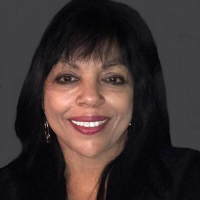
- 22 years experience
- LMFT in California
- Practical skill building
About Audrey
She adapts conversations and plans to fit each person's situation. Sessions emphasize clear goals, real-life skills, and moments of reflection that help people notice what is getting in the way. Audrey listens closely and mirrors back what she hears to help clients find clarity.
She uses a mix of methods guided by what the person needs. That can mean using cognitive-behavioral ideas to shift unhelpful thoughts and behaviors. It can also mean drawing from client-centered techniques that prioritize the client's own pace and priorities.
Audrey also incorporates emotion-focused strategies to improve how people understand and express feelings in relationships. Dialectical behavior therapy ideas are used when skills for managing intense emotions or impulsive reactions are needed. She brings an existential lens when clients are working through big life questions or midlife transitions.
Her style is warm and practical. She supports parents facing parenting stress, people coping with grief or career changes, and those dealing with self-esteem, anger, or intimacy issues. To begin, prospective clients should use the platform's Start Therapy button and complete the short matching questionnaire.
Areas of expertise
Primary focus
Also works with
Additional focus areas
Therapeutic approaches
Experience
22+ years
Credentials
California
Languages
English
How Audrey’s approaches fit into online therapy
Client-Centered Therapy focuses on listening, acceptance, and supporting people to make their own choices. In practice this means the therapist follows the client's lead and helps them clarify priorities and next steps.Cognitive Behavioral Therapy, or CBT, is about finding the links between thoughts, feelings, and actions. It uses clear exercises and small behavior changes to reduce anxiety, manage mood, and handle addictive urges.
Dialectical Behavior Therapy, DBT, brings skills for managing intense emotions and reducing impulsive reactions. DBT-style skills often include grounding, emotion regulation, and practical steps for calmer responses.
Finding the right approach is part of the work together. The therapist will discuss your goals, try methods that fit your needs, and adjust the plan as progress is made in collaboration with you.
Confirm current session options before booking to know how sessions are scheduled. Online therapy can make it easier to fit appointments into busy days, reduce travel time, and allow for shorter check-ins when needed. Talk with the therapist about which session rhythm and format would best match your schedule and goals.
Frequently asked questions
What concerns does she help with?
She works with stress, anxiety, addictions, relationship and intimacy issues, trauma and abuse, grief, parenting stresses, anger, self-esteem, career changes, depression, and coping with life changes.
How would you describe her therapy style?
Her style is warm, respectful, and practical. She tailors conversations and plans to each person's needs and focuses on clear goals and usable skills.
How much experience does she have?
She has 22 years of professional work experience supporting people through a wide range of life challenges.
What are her credentials and where is she located?
She is an LMFT - Licensed Marriage and Family Therapist - licensed in California.
Which languages are available for sessions?
Sessions are offered in English.
Can people outside the U.S. work with her?
She does not accept international clients at this time.
How are fees or payment handled?
Cost varies with location and therapist availability; sessions use a subscription that can be canceled at any time.
What should I do to start therapy?
Select the Start Therapy button, complete the short matching questionnaire, and schedule according to therapist availability.
Before you get in touch
Therapists listed here offer talking therapy online. A profile is not a diagnosis of you or of anyone in your life, and no therapist can promise how a relationship will turn out.
If you are in danger, or someone is hurting or threatening you, contact emergency services or a domestic-abuse helpline. The numbers are at the foot of this page.