- Person centered
- Strengths based
- Brief therapy focus
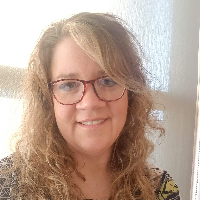
About Amanda
Amanda helps people facing anxiety, depression, bipolar symptoms, addiction concerns, and difficulties with relationships and parenting. She also supports people dealing with grief, career transitions, midlife questions, and compassion fatigue. Her additional focuses include abandonment and attachment issues, body image, caregiver stress, chronic illness, codependency, and communication problems.
Her approach combines Acceptance and Commitment Therapy, Attachment-Based methods, Client-Centered care, Cognitive Behavioral Therapy, and Dialectical Behavior Therapy. Sessions emphasize identifying personal strengths and building practical skills to handle symptoms and stressful events. Amanda favors brief, goal-focused work and often plans for an initial course of 8 to 12 sessions.
She values choice-based planning so clients keep control of goals and pacing. Amanda offers follow-up supportive work after an initial brief course when needed. Her work includes one-on-one sessions, group work, and prior experience with family therapy settings, always aiming to increase confidence and daily functioning.
Amanda practices in South Dakota and accepts international clients. She communicates in English and supports people who want clear, step-by-step strategies to manage life changes and strengthen their supports.
Areas of expertise
Primary focus
Also works with
Additional focus areas
Therapeutic approaches
Experience
12+ years
Credentials
Wyoming, South Dakota
Languages
English
How therapeutic approaches translate to online work
Acceptance and Commitment Therapy (ACT) focuses on helping people notice difficult thoughts and feelings without getting stuck in them, and on clarifying personal values to guide action. It can help with anxiety, low mood, and decisions about life changes. Attachment-Based Therapy looks at how early connections shape current relationships and helps people develop safer, more secure ways of relating to others. This approach is useful for abandonment fears, communication problems, and relationship struggles. Cognitive Behavioral Therapy (CBT) breaks problems into thoughts, feelings, and behaviors and teaches practical skills to change unhelpful patterns; it often helps with depression, anxiety, and low self-esteem.Finding the best approach is a collaborative process. The therapist will discuss your goals, try approaches that fit your needs, and adjust plans together as progress is made. Clients help shape the pace and focus of the work so it stays useful and relevant.
The original profile does not list specific session formats, so confirm current online options before booking. Online therapy can make it easier to fit sessions into a busy week, allow shorter check-ins when needed, and remove travel time so therapy can work around work or caregiving schedules. Many people find that clear, skills-focused work translates well to virtual sessions and supports steady progress toward daily goals.
Frequently asked questions
What concerns does Amanda commonly address?
Amanda works with stress, anxiety, depression, bipolar symptoms, addictions, relationship struggles, parenting challenges, grief, and related issues such as attachment concerns and codependency.
How would you describe her therapeutic style?
She uses a supportive, person-centered style that emphasizes choice-based planning and practical coping skills. Sessions focus on identifying strengths and building steps toward the client’s goals.
What is her clinical background and experience?
She has 12 years of clinical experience and a combined 21 years in social work services overall, providing individual, group, and family-based work in prior roles.
What credentials and location are listed?
She is an LCSW and CSW-PIP with licensure noted as WY LCSW and SD CSW-PIP, and she practices in South Dakota.
Can people who live outside the US work with her?
International clients are accepted and sessions are offered in English.
What session formats are available?
The original profile does not specify session formats. Please confirm the current session options before scheduling.
How is cost handled for sessions?
Cost varies with location and therapist availability; sessions use a subscription that can be canceled at any time.
How do I begin working with Amanda?
Click the Start Therapy button, complete a short matching questionnaire, and then schedule according to the therapist’s availability.
Before you get in touch
Therapists listed here offer talking therapy online. A profile is not a diagnosis of you or of anyone in your life, and no therapist can promise how a relationship will turn out.
If you are in danger, or someone is hurting or threatening you, contact emergency services or a domestic-abuse helpline. The numbers are at the foot of this page.