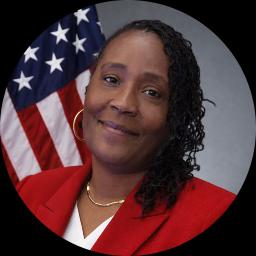
- Warm and interactive
- Goal oriented
- 25 years experience
About Aleisa
She uses Client-Centered Therapy to follow what matters most to the person in the room. Cognitive Behavioral Therapy (CBT) is used to spot unhelpful thoughts and build different habits. Motivational Interviewing helps people find their own reasons to change when motivation feels mixed.
Over her career she has worked with stress, anxiety, addictions, depression, relationship and intimacy concerns, grief, trauma and abuse, parenting strain, anger, career stress, and compassion fatigue. Additional focus areas include abandonment, codependency, blended family issues, caregiver stress, communication problems, domestic violence, and substance use concerns. Narcissism appears among the issues she lists as part of relationship and personality concerns.
She has held licensure in North Carolina and Florida as a clinical social worker. Aleisa writes treatment plans that match what each person says they want to work on. Sessions are conversational and goal-oriented, with practical steps between meetings.
If someone is ready to try therapy, she asks them to complete a short matching questionnaire and schedule a time. The initial steps are straightforward and focused on finding a good fit for therapy.
Areas of expertise
Primary focus
Also works with
Additional focus areas
Therapeutic approaches
Experience
25+ years
Credentials
North Carolina, Florida
Languages
English
How Aleisa’s Approaches Work Online
Aleisa commonly draws on Client-Centered Therapy and Cognitive Behavioral Therapy (CBT) in her work. Client-Centered Therapy means the conversation follows what matters most to the person, helping them name priorities and feel heard. CBT focuses on identifying unhelpful thoughts and trying small behavior changes to see what helps, which is useful for anxiety, depression, and some relationship patterns.She also uses Motivational Interviewing to help people resolve mixed feelings about change. That approach involves asking questions that help someone find their own reasons to take steps forward rather than pushing a plan on them. Together she and the person develop goals and test what works in day-to-day life.
Finding the right approach is part of the work. Aleisa will discuss different methods and tailor the plan to the person's needs, goals, and preferences in a collaborative way. She checks in about what is helping and adjusts the approach over time.
Session formats are not listed explicitly in her biography, so please confirm current options before booking. Online work can make it easier to fit therapy into a busy schedule, allow shorter check-ins when needed, and reduce travel time for appointments. Licensed professionals can adapt the approaches above to practical problems and everyday routines.
Frequently asked questions
What kinds of problems does she help people with?
She helps people facing stress, anxiety, depression, relationship and intimacy issues, substance use, grief, trauma and abuse, parenting challenges, anger, and career concerns.
How would you describe her therapy style?
Her style is warm and interactive. She listens, follows the person's concerns, and works on practical steps during and between sessions.
What is her background and experience?
She has 25 years of experience as a psychotherapist working with a wide range of mental health and substance use concerns.
What credentials and where is she based?
She is a licensed clinical social worker (LCSW) and practices from North Carolina with licensure noted for NC LCSW and FL LCSW in her background.
Which languages are supported for sessions?
Sessions are offered in English.
Are international clients accepted?
International clients are not currently accepted.
How much do sessions cost?
Cost varies with location and therapist availability; sessions use a subscription that can be canceled at any time.
What are the first steps to begin therapy?
Click the Start Therapy button, complete a short matching questionnaire, and schedule according to therapist availability.
Before you get in touch
Therapists listed here offer talking therapy online. A profile is not a diagnosis of you or of anyone in your life, and no therapist can promise how a relationship will turn out.
If you are in danger, or someone is hurting or threatening you, contact emergency services or a domestic-abuse helpline. The numbers are at the foot of this page.